Revolutionary Radiative Cooling Concrete: Energy-Free Building Temperature Control

All Categories

Get a Free Quote

Our representative will contact you soon.
Email
Mobile/WhatsApp
Name
Company Name
Message
0/1000

radiative cooling concrete

Radiative cooling concrete represents a revolutionary advancement in sustainable building materials that harnesses the principles of thermal radiation to naturally reduce surface temperatures without consuming energy. This innovative construction material combines traditional concrete composition with specialized additives and surface treatments that enhance its ability to emit infrared radiation into the atmosphere, effectively cooling buildings and urban environments. The technology works by maximizing the concrete's emissivity in the infrared spectrum while minimizing solar heat absorption, creating a passive cooling effect that operates continuously, day and night. Radiative cooling concrete incorporates microscopic particles and polymers that modify the material's optical properties, allowing it to reflect solar radiation efficiently while maintaining high thermal emissivity. The concrete's surface is engineered to interact with the atmospheric window, a specific wavelength range where the atmosphere is transparent to infrared radiation, enabling heat to escape directly to outer space. This process occurs naturally and requires no external power source, making it an environmentally friendly cooling solution. The material maintains structural integrity comparable to conventional concrete while providing superior thermal management capabilities. Manufacturing processes for radiative cooling concrete involve careful selection of aggregates, cement types, and specialized additives that work synergistically to achieve optimal cooling performance. Quality control measures ensure consistent thermal properties throughout the concrete mixture. Installation procedures follow standard concrete practices with additional considerations for surface finishing to maximize cooling effectiveness. Performance testing demonstrates significant temperature reductions compared to traditional concrete surfaces, with some formulations achieving temperature differences of 10-15 degrees Celsius under direct sunlight. The technology addresses growing concerns about urban heat island effects and energy consumption in buildings, offering a sustainable alternative to mechanical cooling systems.

Popular Products

Radiative cooling concrete delivers substantial energy savings by reducing the need for air conditioning and mechanical cooling systems in buildings and infrastructure. Property owners can expect significant reductions in electricity bills, particularly during hot summer months when cooling costs typically peak. The material operates continuously without requiring maintenance or replacement parts, providing long-term economic benefits that compound over time. Unlike traditional cooling methods that consume electricity and contribute to greenhouse gas emissions, radiative cooling concrete functions as a passive system that actually helps combat climate change by reducing overall energy demand and heat generation in urban areas. The durability of this innovative concrete matches or exceeds conventional concrete formulations, ensuring decades of reliable performance without degradation of cooling properties. Installation costs remain competitive with premium concrete options, while the operational savings begin immediately upon construction completion. Building owners appreciate the reduced strain on HVAC systems, which extends equipment lifespan and decreases maintenance requirements. The concrete's cooling effect contributes to improved indoor comfort levels, creating more pleasant living and working environments for occupants. Architects and designers value the aesthetic flexibility of radiative cooling concrete, which can be finished and colored to match various design requirements without compromising thermal performance. The material supports green building certifications and sustainability goals, helping projects achieve LEED credits and other environmental standards. Urban planners recognize the broader environmental impact, as widespread adoption of radiative cooling concrete can measurably reduce city-wide temperatures and improve air quality. The technology requires no specialized training for installation crews familiar with standard concrete placement techniques. Quality assurance testing confirms consistent performance across different climate conditions and geographic locations. Research validates the material's effectiveness in both residential and commercial applications, from sidewalks and driveways to building facades and roofing systems. The concrete maintains its cooling properties throughout its service life, providing reliable thermal management that building owners can depend on for decades. Integration with existing construction practices ensures seamless adoption without disrupting established workflows or requiring new equipment purchases.

Tips And Tricks

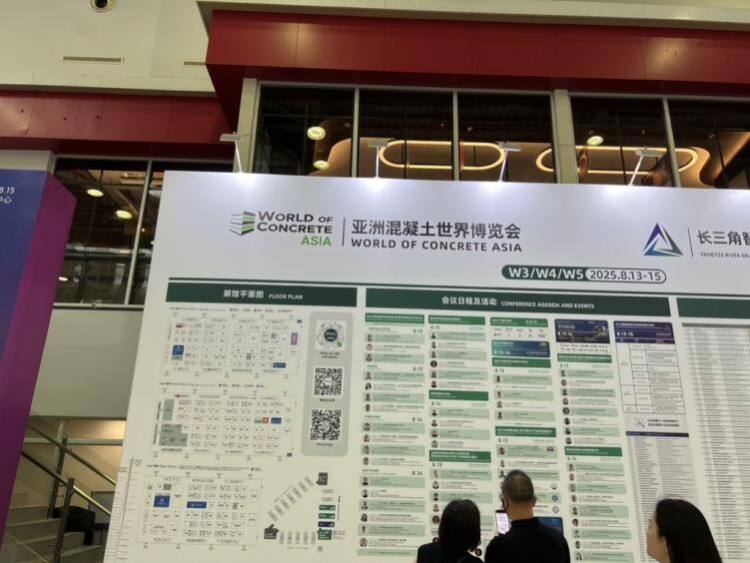
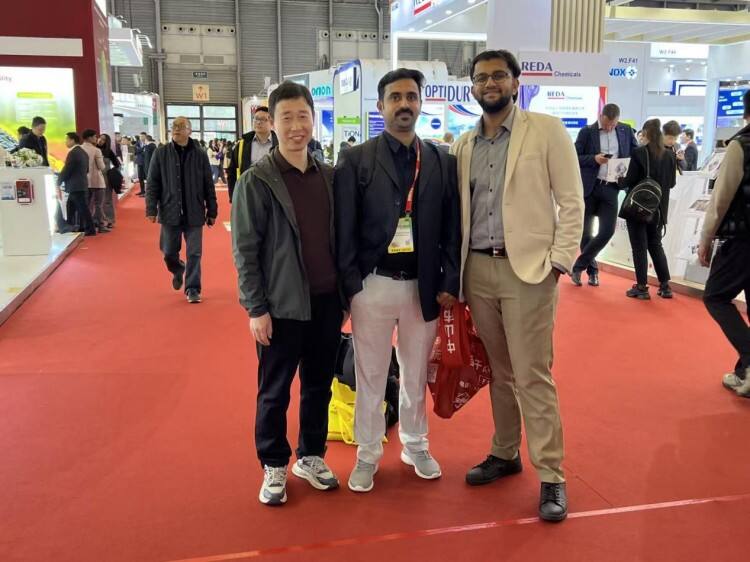
Shandong Huacheng High-Tech Participates in WORLD OF CONCRETE ASIA 2025 in Shanghai

25

Feb

Shandong Huacheng High-Tech Participates in WORLD OF CONCRETE ASIA 2025 in Shanghai

View More
Shandong Huacheng High-Tech Shines at CHINACOAT 2025 Shanghai

25

Feb

Shandong Huacheng High-Tech Shines at CHINACOAT 2025 Shanghai

View More
Huacheng High-Tech Recognized as Provincial Enterprise Technology Center by Shandong Province

27

Feb

Huacheng High-Tech Recognized as Provincial Enterprise Technology Center by Shandong Province

View More

Get a Free Quote

Our representative will contact you soon.
Email
Mobile/WhatsApp
Name
Company Name
Message
0/1000

radiative cooling concrete

Zero-Energy Passive Cooling Technology

Zero-Energy Passive Cooling Technology

The most compelling feature of radiative cooling concrete lies in its ability to provide continuous cooling without consuming any electricity or requiring mechanical systems. This passive cooling technology operates on fundamental physics principles, utilizing the Earth's natural radiation balance to achieve temperature reductions that were previously only possible through energy-intensive air conditioning systems. The concrete's engineered surface emits thermal radiation directly to outer space through the atmospheric window, a specific wavelength range between 8-13 micrometers where the atmosphere remains transparent to infrared radiation. This process occurs continuously, even during daylight hours, making radiative cooling concrete exceptionally effective at maintaining lower surface temperatures throughout the day and night cycle. The technology incorporates carefully selected materials that maximize emissivity while minimizing solar heat absorption, creating a net cooling effect that can reduce surface temperatures by 10-20 degrees Celsius compared to conventional concrete. Property owners benefit from substantial energy savings as reduced surface temperatures translate directly into lower cooling loads for buildings and infrastructure. The passive nature of this cooling system means zero operational costs, no maintenance requirements, and complete independence from electrical grid fluctuations or power outages. Environmental benefits extend beyond individual buildings to entire urban areas, where widespread adoption of radiative cooling concrete can significantly reduce the urban heat island effect that plagues modern cities. The technology represents a paradigm shift in thermal management, moving away from energy-consuming active cooling systems toward sustainable passive solutions that work in harmony with natural atmospheric processes. Performance validation through extensive testing confirms the concrete's effectiveness across diverse climate conditions, from arid desert environments to humid subtropical regions, demonstrating universal applicability and consistent cooling performance regardless of geographic location or seasonal variations.
Durable Construction Material with Enhanced Performance

Durable Construction Material with Enhanced Performance

Radiative cooling concrete maintains all the structural properties and durability characteristics that construction professionals expect from premium concrete products while delivering additional thermal management capabilities that extend far beyond traditional building materials. The material undergoes rigorous testing to ensure compressive strength, tensile strength, and durability meet or exceed industry standards for structural concrete applications. Specialized additives and surface treatments that provide cooling properties are integrated during the manufacturing process without compromising the concrete's fundamental structural integrity or longevity. The concrete exhibits excellent resistance to weathering, freeze-thaw cycles, and chemical exposure, ensuring decades of reliable performance in diverse environmental conditions. Unlike cooling systems that require regular maintenance, part replacement, or eventual system upgrades, radiative cooling concrete maintains its thermal properties throughout its service life with no degradation in cooling effectiveness. The material's composition includes UV-stable components that prevent degradation of cooling properties even after years of direct sunlight exposure. Quality control procedures during manufacturing ensure consistent thermal and structural performance across batches, providing predictable results for construction projects. Installation follows standard concrete placement practices, requiring no specialized equipment or training beyond conventional concrete construction techniques. The concrete can be finished with various textures and colors while maintaining optimal cooling performance, giving architects and designers flexibility in aesthetic applications. Long-term performance studies demonstrate that radiative cooling concrete retains its cooling properties after decades of service, making it a reliable investment for property owners seeking sustainable thermal management solutions. The material's dual functionality as both structural element and cooling system eliminates the need for separate cooling infrastructure, reducing overall construction complexity and costs. Compatibility with standard reinforcement materials, admixtures, and construction additives ensures seamless integration with existing building practices and design specifications.
Versatile Applications Across Multiple Industries

Versatile Applications Across Multiple Industries

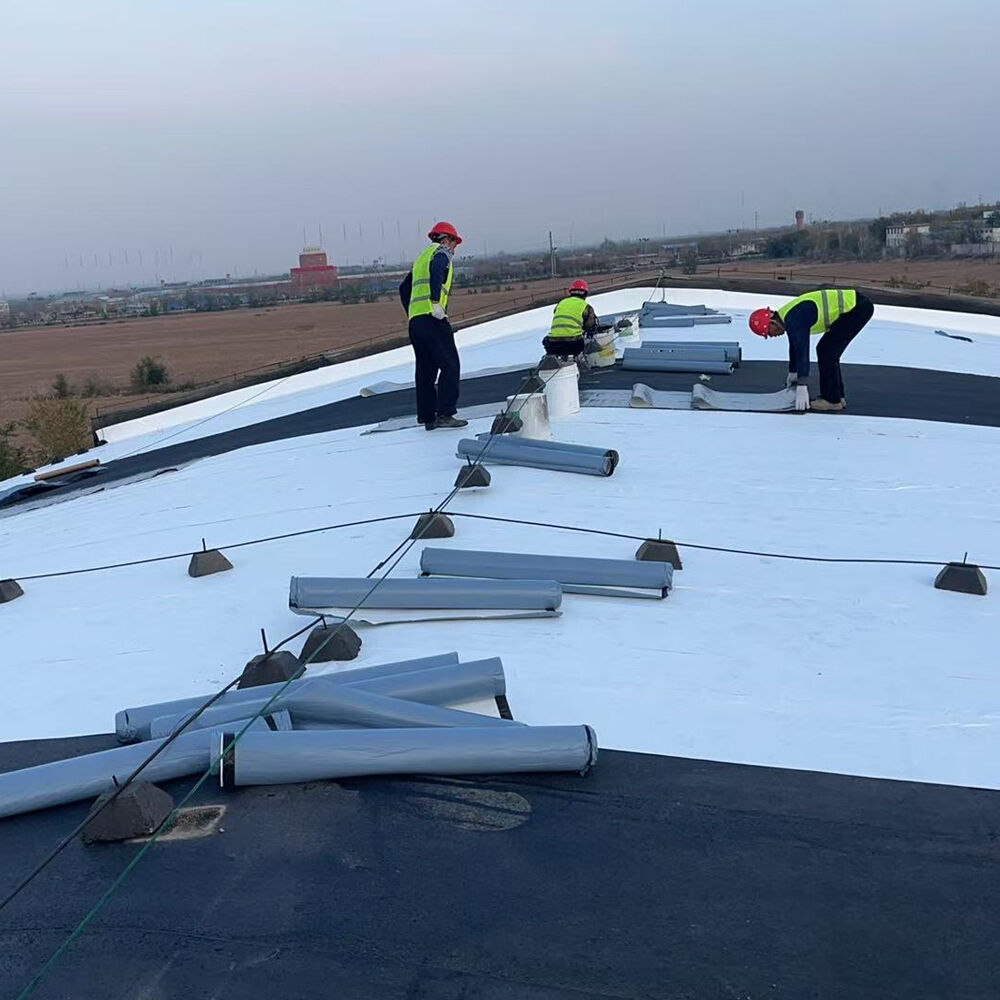
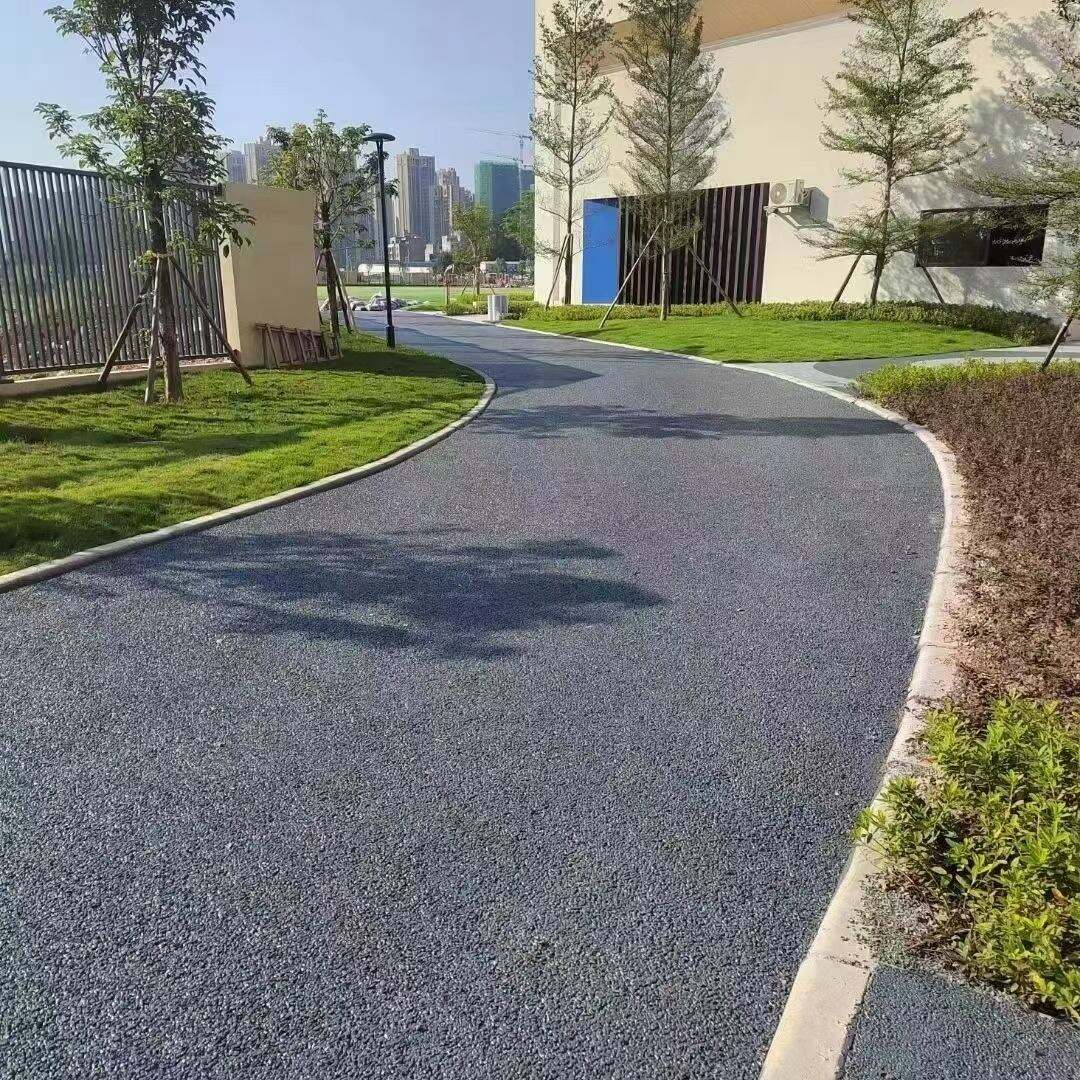
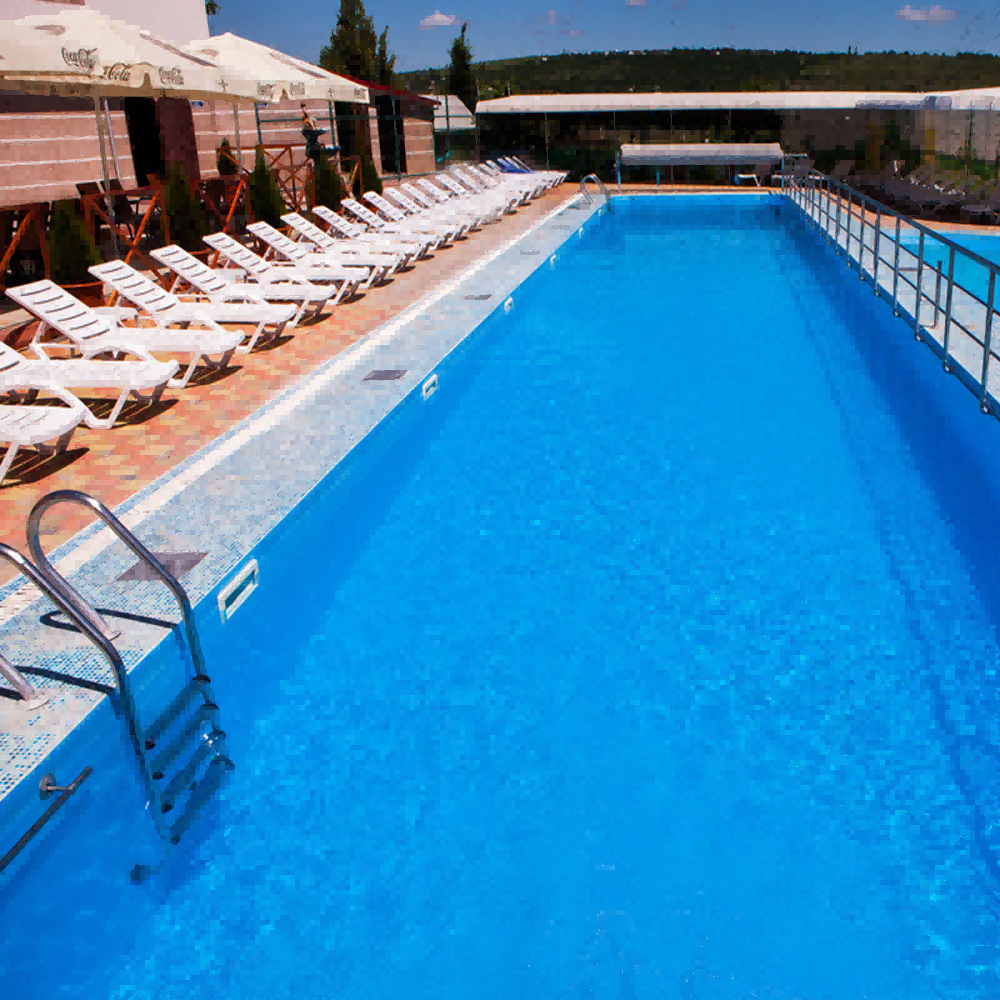
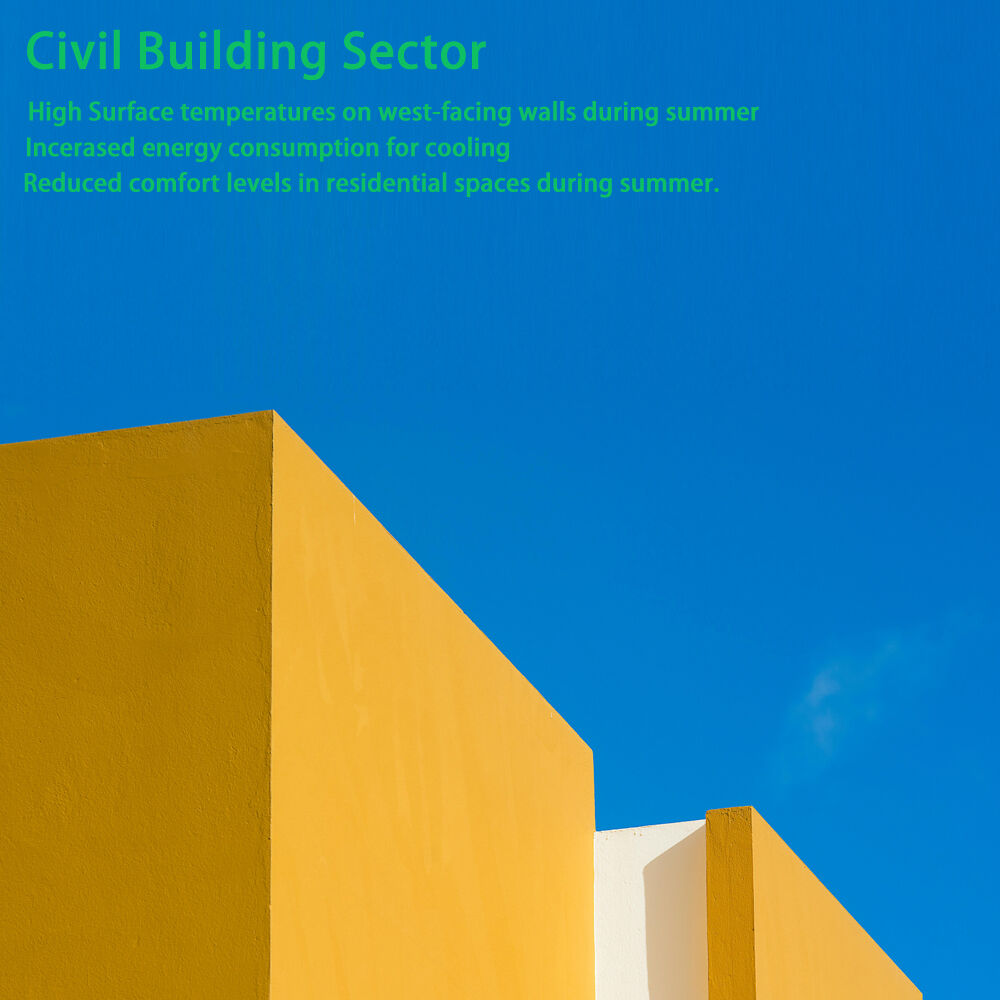
Radiative cooling concrete demonstrates remarkable versatility across numerous construction applications, from residential driveways and sidewalks to large-scale commercial and industrial projects, making it an adaptable solution for diverse cooling challenges in the built environment. Urban infrastructure applications include parking lots, roadways, and plaza areas where the concrete's cooling properties help reduce ambient temperatures and improve comfort for pedestrians and vehicles. Building envelope applications encompass facades, roofing systems, and exterior walls where radiative cooling concrete provides both structural support and thermal management, reducing building cooling loads while maintaining architectural design flexibility. Industrial facilities benefit from the material's ability to reduce heat buildup in warehouses, manufacturing plants, and distribution centers, creating more comfortable working conditions and potentially reducing product storage temperatures. Transportation infrastructure applications include airport runways, bridge decks, and transit platforms where cooler surfaces improve safety and reduce maintenance requirements associated with thermal expansion and contraction. Recreational facilities such as sports courts, pool decks, and playground surfaces benefit from reduced surface temperatures that enhance user comfort and safety during hot weather conditions. Agricultural applications include barn floors, equipment pads, and livestock areas where cooler concrete surfaces contribute to animal comfort and operational efficiency. The material adapts to both new construction and retrofit applications, allowing property owners to upgrade existing concrete surfaces with cooling capabilities during renovation projects. Decorative applications maintain aesthetic appeal while providing functional cooling benefits, enabling landscape architects to specify attractive hardscaping that actively contributes to thermal comfort. Commercial developments including shopping centers, office complexes, and hospitality projects can incorporate radiative cooling concrete throughout exterior areas to create more pleasant environments for customers and tenants. The concrete's performance remains consistent across different geographic regions and climate zones, making it suitable for projects from tropical to temperate environments with predictable cooling benefits that contribute to overall building performance and occupant satisfaction.

Get a Free Quote

Our representative will contact you soon.
Email
Mobile/WhatsApp
Name
Company Name
Message
0/1000