Advanced Synthetic Polymer Materials: Revolutionary Solutions for Modern Manufacturing

All Categories

Get a Free Quote

Our representative will contact you soon.
Email
Mobile/WhatsApp
Name
Company Name
Message
0/1000

synthetic polymer materials

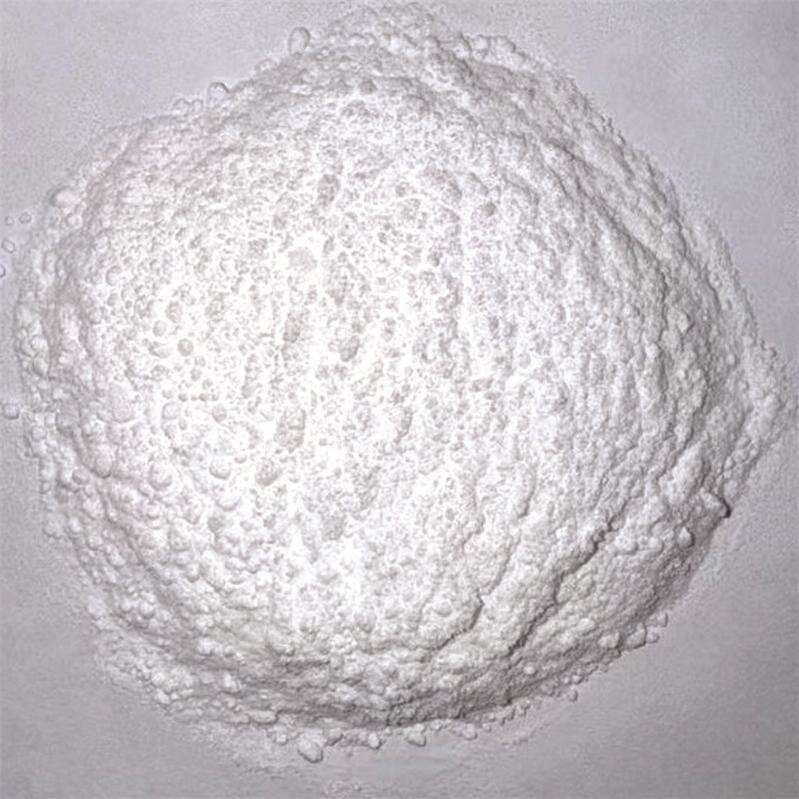
Synthetic polymer materials represent a revolutionary class of engineered substances that have transformed countless industries through their exceptional versatility and performance characteristics. These artificially created macromolecules consist of repeating chemical units called monomers, which are chemically bonded together to form long chains with precisely controlled properties. Unlike natural polymers, synthetic polymer materials offer manufacturers unprecedented control over molecular structure, allowing for customization of physical, chemical, and mechanical properties to meet specific application requirements. The main functions of synthetic polymer materials encompass structural support, barrier protection, electrical insulation, thermal management, and chemical resistance across diverse industrial applications. Modern synthetic polymer materials serve as critical components in aerospace engineering, automotive manufacturing, electronics production, medical device fabrication, and consumer goods development. Their technological features include exceptional strength-to-weight ratios, corrosion resistance, dimensional stability, and the ability to maintain performance across extreme temperature ranges. Advanced synthetic polymer materials can be engineered to exhibit specific characteristics such as self-healing properties, shape memory effects, or biodegradability depending on application needs. Manufacturing processes for synthetic polymer materials utilize sophisticated polymerization techniques including addition polymerization, condensation polymerization, and radical polymerization methods. These materials demonstrate remarkable adaptability through various processing methods such as injection molding, extrusion, compression molding, and additive manufacturing technologies. Quality synthetic polymer materials undergo rigorous testing protocols to ensure consistency, durability, and compliance with industry standards and regulatory requirements. Applications span from high-performance aerospace components and medical implants to everyday consumer products like packaging films and electronic housings. The continuous advancement in synthetic polymer materials technology enables innovations in sustainable manufacturing, lightweight construction, and smart material systems that respond to environmental stimuli.

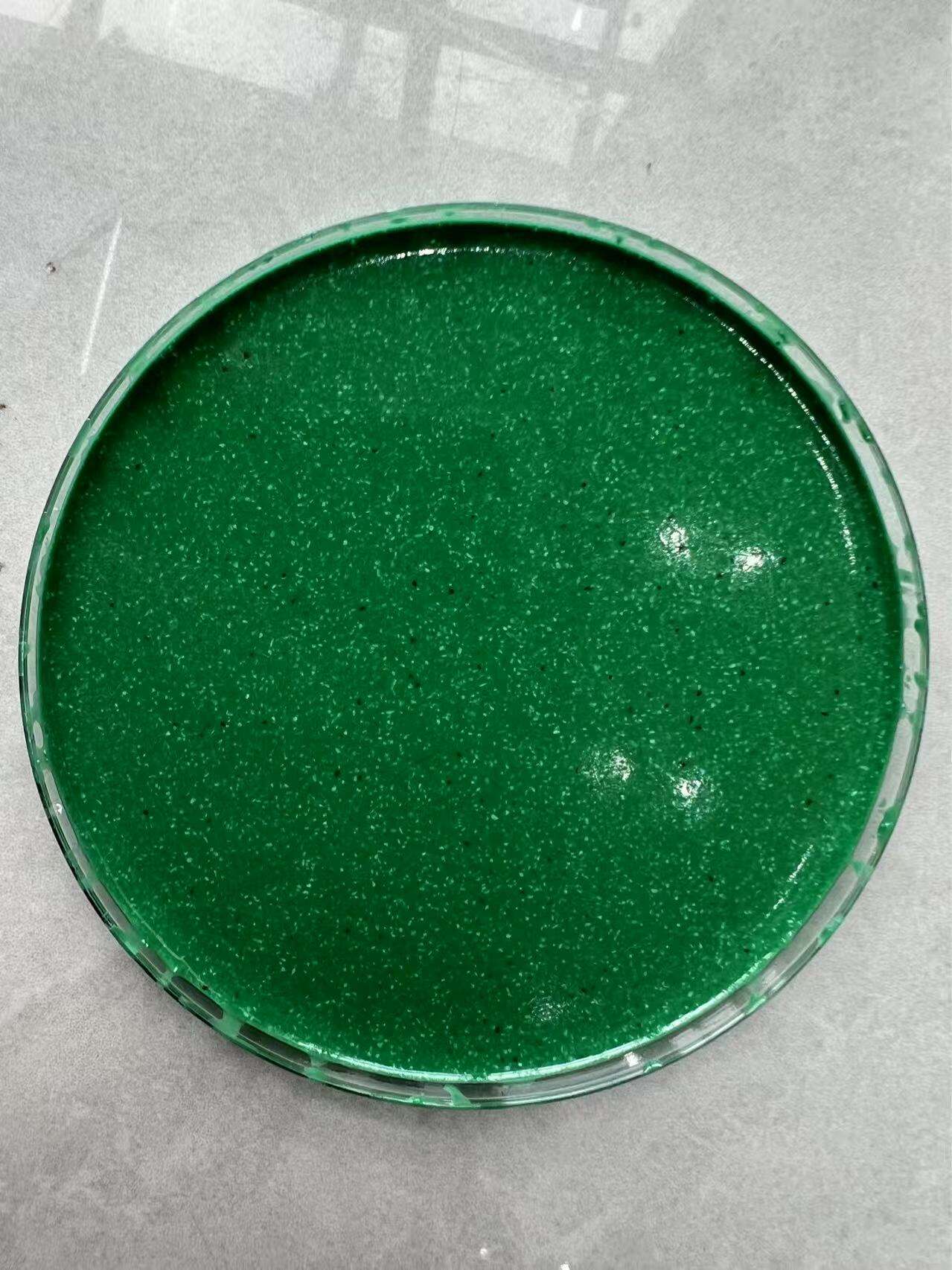
Popular Products

Synthetic polymer materials deliver exceptional cost-effectiveness compared to traditional materials like metals, ceramics, and natural polymers, making them ideal choices for budget-conscious manufacturers seeking high-performance solutions. These materials significantly reduce production costs through streamlined manufacturing processes, lower energy requirements, and reduced waste generation during fabrication. The lightweight nature of synthetic polymer materials translates directly into transportation savings, reduced fuel consumption, and improved energy efficiency across various applications. Companies utilizing synthetic polymer materials experience substantial reductions in maintenance costs due to their superior corrosion resistance and extended service life compared to conventional alternatives. The design flexibility offered by synthetic polymer materials allows engineers to create complex geometries and integrated features that would be impossible or prohibitively expensive with traditional materials. Manufacturers benefit from shorter production cycles and faster time-to-market when using synthetic polymer materials, as these substances can be processed using rapid manufacturing techniques like injection molding and 3D printing. The chemical inertness of many synthetic polymer materials provides excellent resistance to acids, bases, solvents, and environmental factors, eliminating the need for expensive protective coatings or frequent replacements. Temperature stability characteristics of advanced synthetic polymer materials enable reliable performance across extreme conditions, from cryogenic applications to high-temperature industrial processes. The electrical insulation properties of synthetic polymer materials make them indispensable for electronic applications, providing safety and reliability while reducing the need for additional insulation components. Quality synthetic polymer materials offer superior impact resistance and fatigue tolerance compared to brittle materials like ceramics or glass, reducing failure rates and associated downtime costs. The recyclability of many synthetic polymer materials supports sustainable manufacturing practices and helps companies meet environmental compliance requirements while reducing disposal costs. Processing versatility allows manufacturers to use existing equipment and tooling with minimal modifications, reducing capital investment requirements and training costs. The consistent quality and batch-to-batch reliability of synthetic polymer materials minimize quality control issues and reduce rejection rates in manufacturing processes. Customization capabilities enable the development of tailored solutions that meet specific performance requirements without compromising other material properties.

Practical Tips

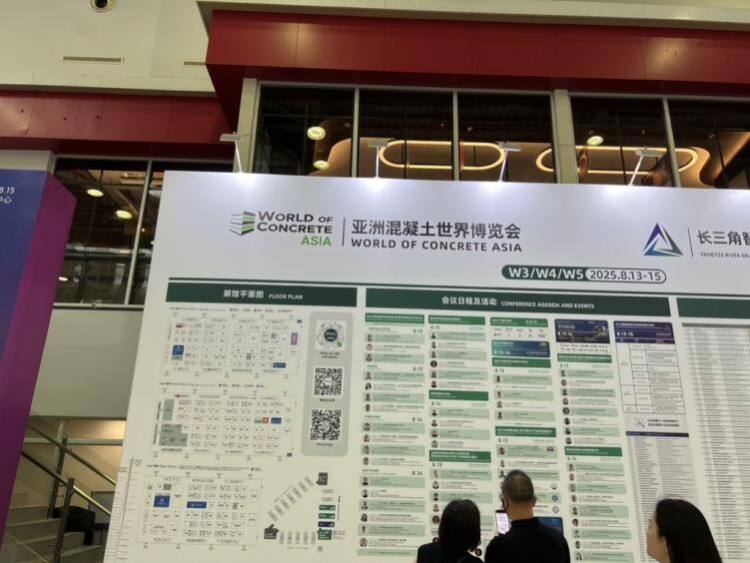
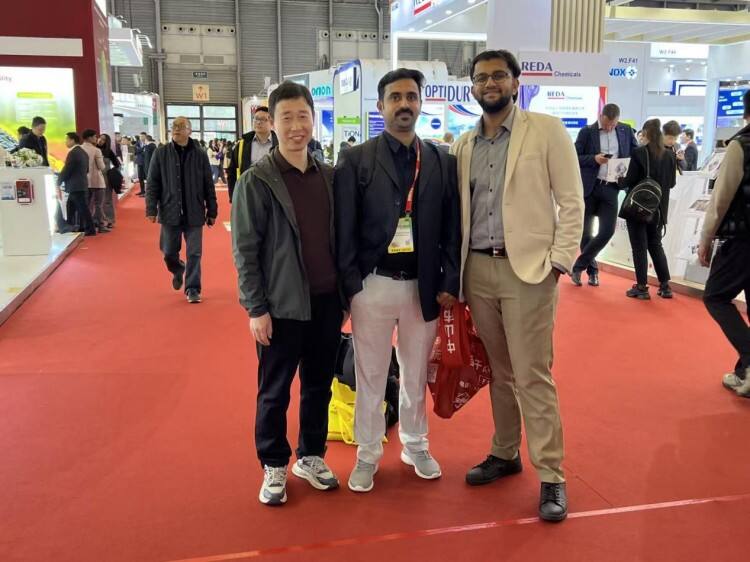
Shandong Huacheng High-Tech Participates in WORLD OF CONCRETE ASIA 2025 in Shanghai

25

Feb

Shandong Huacheng High-Tech Participates in WORLD OF CONCRETE ASIA 2025 in Shanghai

View More
Shandong Huacheng High-Tech Shines at CHINACOAT 2025 Shanghai

25

Feb

Shandong Huacheng High-Tech Shines at CHINACOAT 2025 Shanghai

View More
Huacheng High-Tech Recognized as Provincial Enterprise Technology Center by Shandong Province

27

Feb

Huacheng High-Tech Recognized as Provincial Enterprise Technology Center by Shandong Province

View More

Get a Free Quote

Our representative will contact you soon.
Email
Mobile/WhatsApp
Name
Company Name
Message
0/1000

synthetic polymer materials

Revolutionary Molecular Engineering Capabilities

Revolutionary Molecular Engineering Capabilities

The molecular engineering capabilities of synthetic polymer materials represent a groundbreaking advancement that allows scientists and engineers to design materials with precisely controlled properties at the atomic level. This revolutionary approach enables the creation of synthetic polymer materials with tailored characteristics that can be optimized for specific applications, performance requirements, and environmental conditions. Unlike traditional materials that are limited by their natural properties, synthetic polymer materials can be engineered to exhibit combinations of characteristics that would be impossible to achieve with conventional substances. The molecular structure of synthetic polymer materials can be modified through controlled polymerization processes, cross-linking techniques, and the incorporation of specialized additives to achieve desired performance parameters. Advanced synthetic polymer materials utilize sophisticated molecular architectures including linear chains, branched structures, cross-linked networks, and block copolymers to optimize mechanical, thermal, and chemical properties. The ability to control molecular weight distribution in synthetic polymer materials directly impacts their processing characteristics, mechanical strength, and end-use performance, allowing manufacturers to fine-tune material properties for specific applications. Cutting-edge synthetic polymer materials incorporate functional groups and side chains that provide enhanced adhesion, improved compatibility with other materials, and specialized performance features such as antimicrobial properties or UV resistance. The molecular engineering of synthetic polymer materials enables the development of smart materials that respond to external stimuli such as temperature, pH, light, or electrical fields, opening new possibilities for advanced applications in aerospace, medical devices, and electronics. Modern synthetic polymer materials can be designed with hierarchical structures that combine multiple length scales, from molecular-level organization to macroscopic architecture, resulting in superior performance characteristics. The precise control over molecular structure allows synthetic polymer materials to achieve optimal balance between competing properties such as strength and flexibility, transparency and toughness, or conductivity and insulation. This molecular-level customization capability makes synthetic polymer materials invaluable for developing next-generation products that push the boundaries of traditional material limitations.
Exceptional Durability and Performance Reliability

Exceptional Durability and Performance Reliability

The exceptional durability and performance reliability of synthetic polymer materials stem from their inherently stable molecular structures and resistance to degradation mechanisms that commonly affect traditional materials. These advanced synthetic polymer materials demonstrate outstanding longevity in demanding environments where metals corrode, ceramics crack, and natural materials deteriorate over time. The chemical stability of synthetic polymer materials provides superior resistance to oxidation, hydrolysis, and chemical attack from aggressive substances, ensuring consistent performance throughout extended service lives. Fatigue resistance represents a critical advantage of synthetic polymer materials, as these substances can withstand millions of stress cycles without developing cracks or failure points that plague brittle materials like glass or ceramics. The viscoelastic properties of synthetic polymer materials enable them to absorb and dissipate energy effectively, reducing the likelihood of catastrophic failure under impact or dynamic loading conditions. Environmental stress cracking resistance in high-quality synthetic polymer materials prevents premature failure in the presence of chemicals, solvents, or environmental factors that would compromise other material types. Temperature cycling performance of synthetic polymer materials surpasses that of many traditional alternatives, maintaining structural integrity and mechanical properties across wide temperature ranges without thermal shock or dimensional instability. The inherent toughness of synthetic polymer materials provides excellent resistance to puncture, tear, and abrasion damage, making them ideal for protective applications and high-wear environments. Long-term aging characteristics of synthetic polymer materials have been extensively studied and documented, allowing engineers to predict service life and plan maintenance schedules with confidence. UV stability can be engineered into synthetic polymer materials through the incorporation of specialized stabilizers and absorbers, preventing photodegradation and maintaining appearance and performance in outdoor applications. The dimensional stability of synthetic polymer materials under varying humidity and temperature conditions ensures consistent fit and function in precision applications where tight tolerances are critical. Creep resistance in synthetic polymer materials can be optimized through molecular design and processing techniques, enabling these materials to maintain structural integrity under sustained loads over extended periods. This exceptional durability translates into reduced maintenance costs, extended replacement intervals, and improved overall system reliability for end users.
Sustainable Manufacturing and Environmental Benefits

Sustainable Manufacturing and Environmental Benefits

The sustainable manufacturing and environmental benefits of synthetic polymer materials position them as essential components in the transition toward more environmentally responsible industrial practices and circular economy principles. Modern synthetic polymer materials offer significant advantages in terms of resource efficiency, energy consumption, and waste reduction compared to traditional manufacturing materials and processes. The lightweight characteristics of synthetic polymer materials directly contribute to reduced transportation energy requirements, lower fuel consumption in automotive and aerospace applications, and decreased carbon footprint throughout the product lifecycle. Energy-efficient production processes for synthetic polymer materials typically require lower processing temperatures and shorter cycle times compared to metals or ceramics, resulting in substantial reductions in manufacturing energy consumption and associated greenhouse gas emissions. The recyclability of many synthetic polymer materials enables closed-loop manufacturing systems where post-consumer and post-industrial waste can be reprocessed into new products, reducing the demand for virgin raw materials and minimizing landfill waste. Advanced synthetic polymer materials can be designed with biodegradable properties for applications where end-of-life disposal is a concern, providing controlled decomposition in appropriate environments while maintaining performance during their intended service life. The durability and longevity of high-quality synthetic polymer materials contribute to sustainability by extending product lifecycles, reducing replacement frequency, and minimizing the environmental impact associated with manufacturing, transportation, and disposal of replacement components. Water-based and solvent-free processing techniques for certain synthetic polymer materials eliminate or reduce the use of harmful chemicals in manufacturing, improving worker safety and reducing environmental contamination. The ability to incorporate recycled content into synthetic polymer materials supports circular economy initiatives while maintaining performance standards, enabling manufacturers to meet sustainability goals without compromising product quality. Bio-based feedstocks are increasingly being used in the production of synthetic polymer materials, reducing dependence on fossil fuels and lowering the carbon intensity of manufacturing processes. Design for recyclability principles can be incorporated into synthetic polymer materials from the initial development stage, ensuring that products can be efficiently separated, cleaned, and reprocessed at the end of their useful life. The reduced maintenance requirements and extended service life of synthetic polymer materials contribute to overall resource conservation by minimizing the need for replacement parts, repair materials, and associated transportation and installation activities.

Get a Free Quote

Our representative will contact you soon.
Email
Mobile/WhatsApp
Name
Company Name
Message
0/1000