Premium Synthetic Coating Materials - Advanced Protection Solutions for Industrial and Commercial Applications

All Categories

Get a Free Quote

Our representative will contact you soon.
Email
Mobile/WhatsApp
Name
Company Name
Message
0/1000

synthetic coating materials

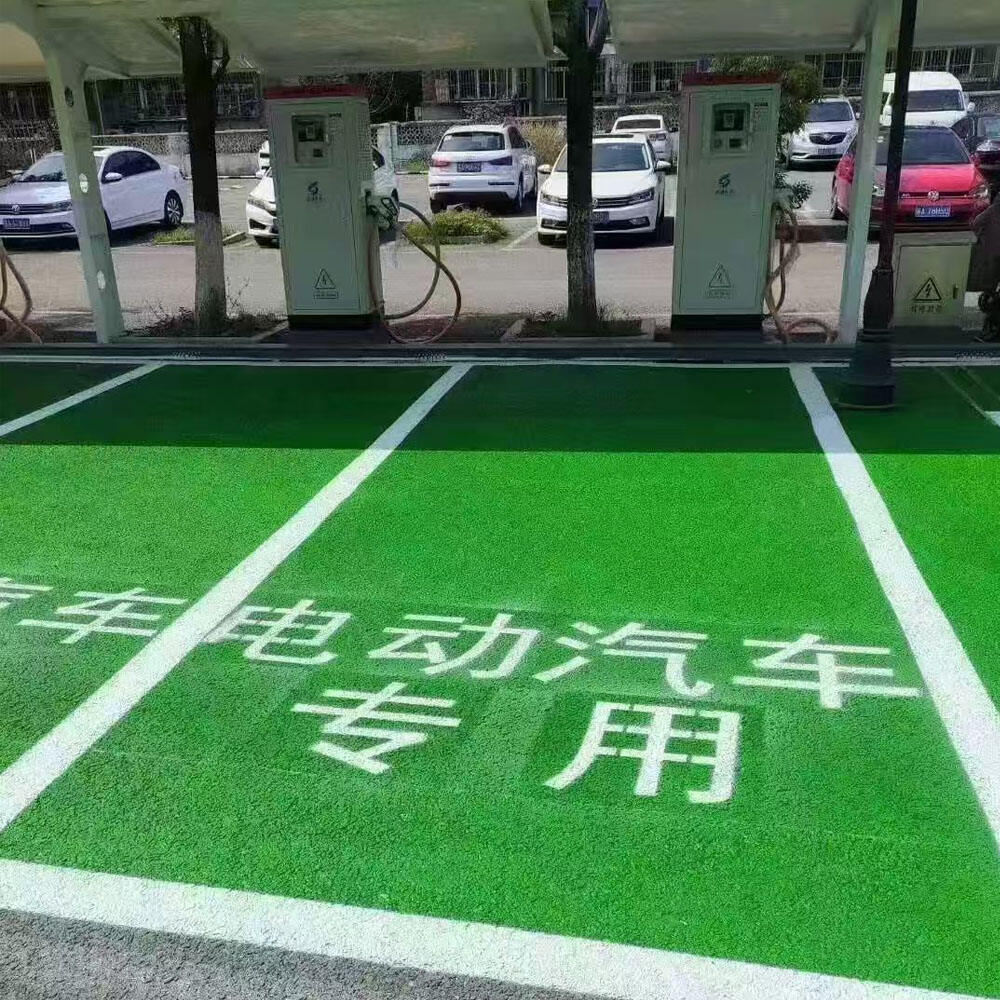
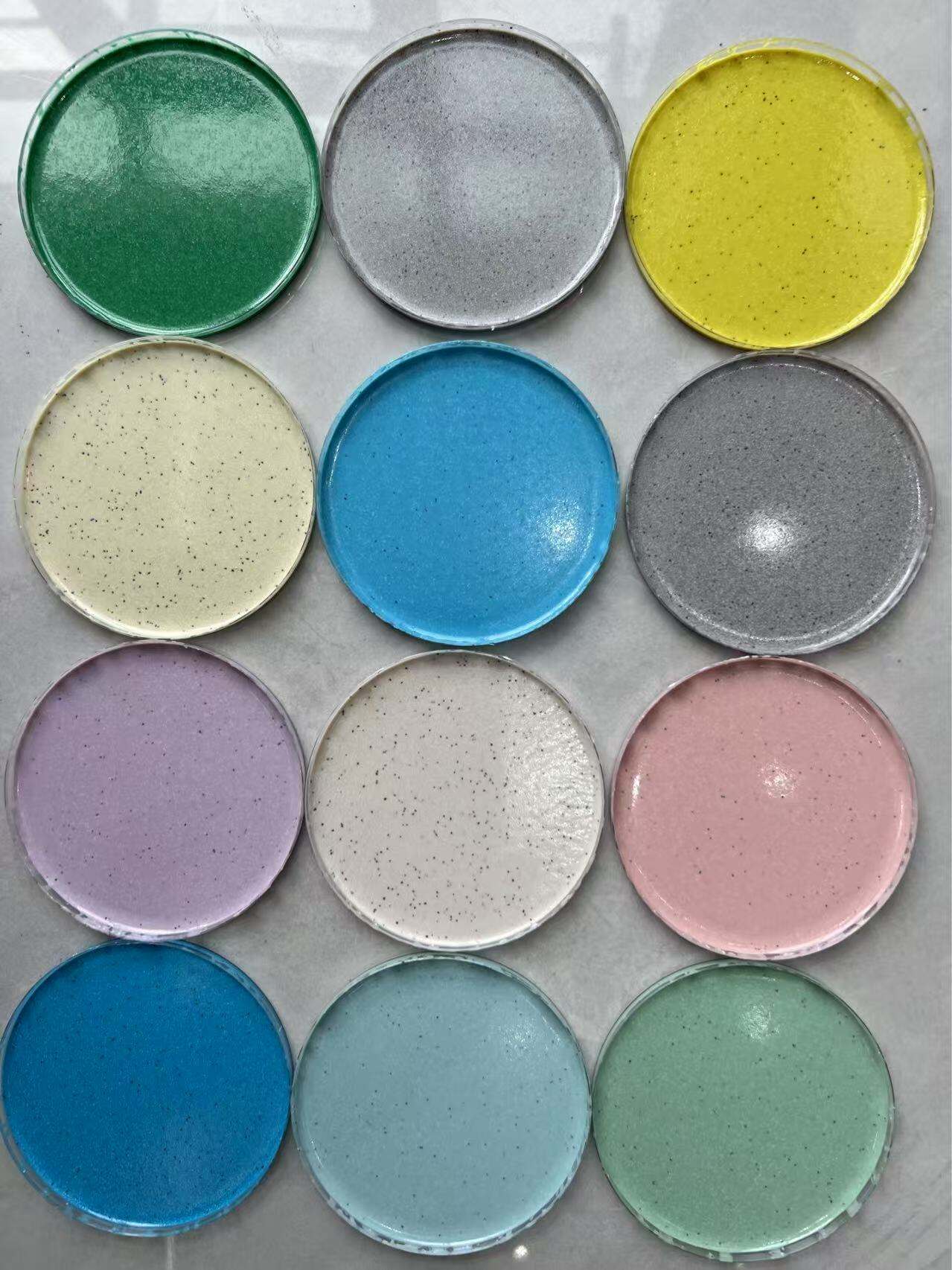
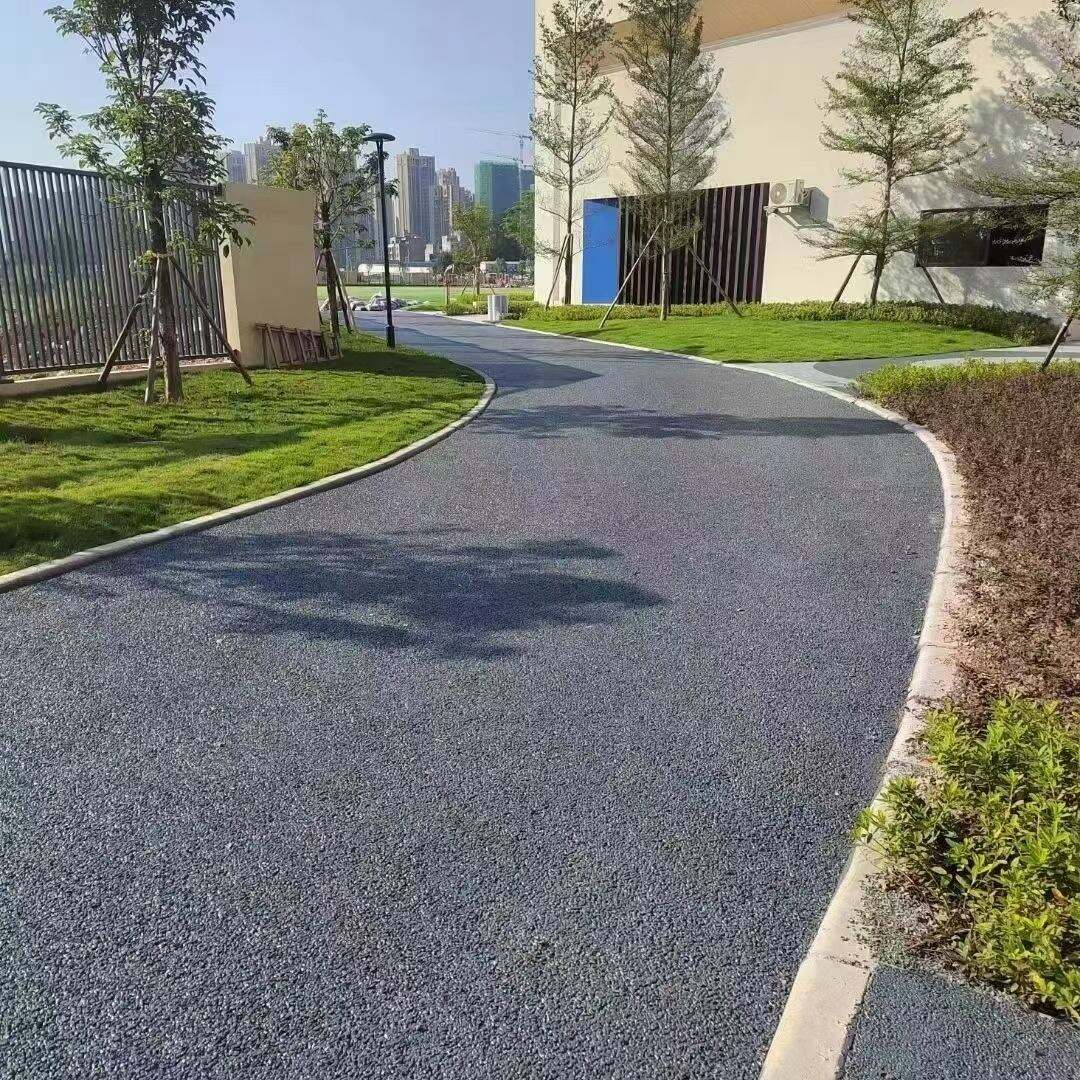
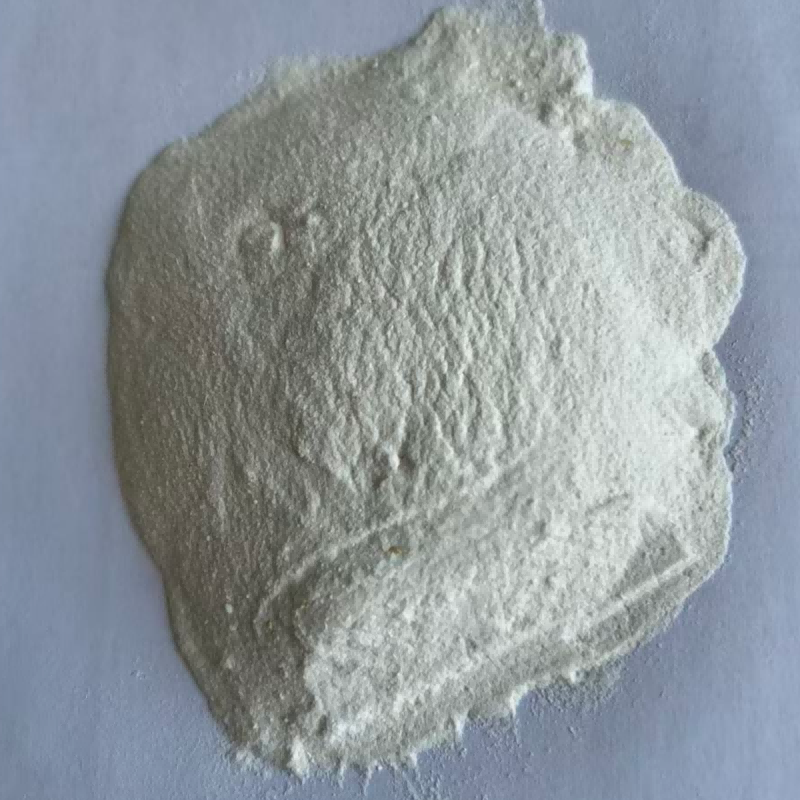
Synthetic coating materials represent a revolutionary advancement in surface protection technology, offering superior performance characteristics compared to traditional coating solutions. These engineered formulations combine advanced polymer chemistry with innovative additives to create protective layers that enhance durability, aesthetics, and functionality across diverse applications. Synthetic coating materials are meticulously designed through controlled chemical processes, resulting in consistent quality and predictable performance attributes that meet stringent industrial requirements. The primary functions of synthetic coating materials encompass corrosion protection, weathering resistance, chemical barrier formation, and aesthetic enhancement. These coatings create impermeable barriers that prevent moisture infiltration, chemical attacks, and environmental degradation while maintaining visual appeal over extended periods. Technologically, synthetic coating materials incorporate sophisticated cross-linking mechanisms that form three-dimensional polymer networks upon curing, delivering exceptional adhesion strength and mechanical properties. Advanced synthetic coating materials feature customizable viscosity profiles, enabling precise application control across various substrate geometries and surface conditions. The formulations integrate specialized additives including UV stabilizers, anti-foaming agents, flow modifiers, and pigment systems that optimize performance characteristics for specific environments. Modern synthetic coating materials utilize nanotechnology integration, incorporating nanoparticles that enhance scratch resistance, antimicrobial properties, and self-cleaning capabilities. Applications span automotive manufacturing, aerospace components, marine vessels, architectural structures, industrial equipment, and consumer electronics. In automotive sectors, synthetic coating materials protect vehicle exteriors from road salt corrosion, UV radiation damage, and mechanical wear while providing glossy finishes that maintain color stability. Aerospace applications leverage lightweight synthetic coating materials for aircraft fuselages, where weight reduction and extreme weather resistance are critical performance factors. Marine environments benefit from synthetic coating materials that resist saltwater corrosion and biofouling while maintaining structural integrity under constant moisture exposure.

New Product Releases

Synthetic coating materials deliver exceptional durability that significantly extends the service life of protected surfaces compared to conventional alternatives. This enhanced longevity translates directly into reduced maintenance costs and fewer recoating cycles, providing substantial economic benefits for property owners and facility managers. The superior adhesion properties of synthetic coating materials ensure reliable bonding to diverse substrates including metals, plastics, concrete, and composites, eliminating concerns about premature coating failure or delamination issues that plague traditional systems. Weather resistance capabilities of synthetic coating materials surpass natural coating options by maintaining color stability, gloss retention, and protective integrity when exposed to harsh environmental conditions including extreme temperatures, humidity fluctuations, and intense UV radiation. Chemical resistance properties make synthetic coating materials ideal for industrial environments where exposure to acids, bases, solvents, and aggressive chemicals would quickly degrade conventional coatings, ensuring continuous protection and reducing downtime for maintenance activities. Application versatility allows synthetic coating materials to be applied using multiple methods including spray application, brush techniques, roller systems, and electrostatic processes, accommodating various project requirements and surface accessibility constraints. Fast curing characteristics of modern synthetic coating materials minimize production delays and accelerate project completion timelines, enabling faster turnaround for manufacturing operations and construction projects. The consistent quality control inherent in synthetic coating materials production eliminates batch-to-batch variations that can compromise performance, ensuring reliable results across large-scale applications and repeat projects. Environmental compliance features of advanced synthetic coating materials include low volatile organic compound emissions, reduced hazardous air pollutants, and improved worker safety profiles compared to solvent-based traditional systems. Cost-effectiveness emerges from the combination of extended service life, reduced maintenance requirements, improved application efficiency, and enhanced performance characteristics that collectively lower total ownership costs over the coating lifecycle. Customization capabilities enable synthetic coating materials to be tailored for specific performance requirements including fire resistance, electrical conductivity, thermal insulation, or specialized aesthetic effects that meet unique project specifications.

Tips And Tricks

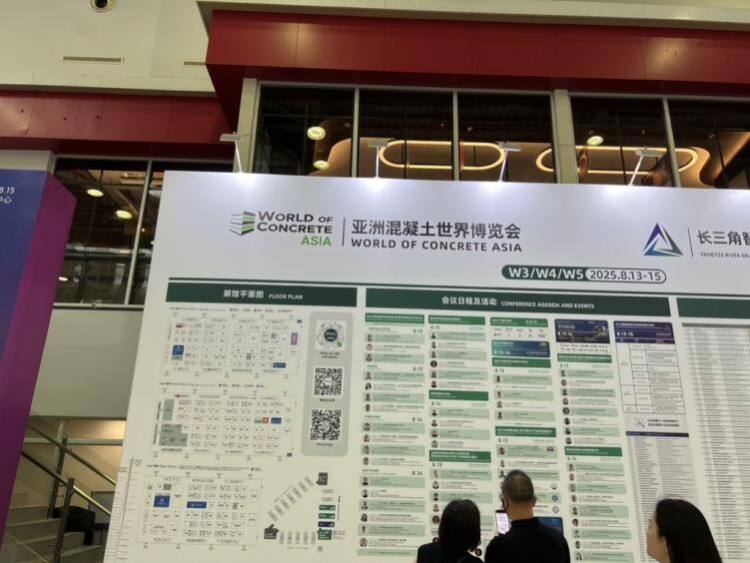
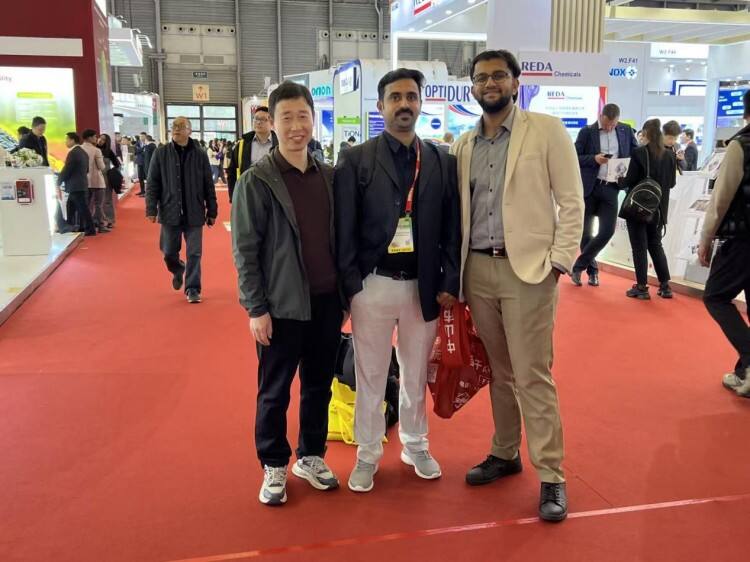
Shandong Huacheng High-Tech Participates in WORLD OF CONCRETE ASIA 2025 in Shanghai

25

Feb

Shandong Huacheng High-Tech Participates in WORLD OF CONCRETE ASIA 2025 in Shanghai

View More
Shandong Huacheng High-Tech Shines at CHINACOAT 2025 Shanghai

25

Feb

Shandong Huacheng High-Tech Shines at CHINACOAT 2025 Shanghai

View More
Huacheng High-Tech Recognized as Provincial Enterprise Technology Center by Shandong Province

27

Feb

Huacheng High-Tech Recognized as Provincial Enterprise Technology Center by Shandong Province

View More

Get a Free Quote

Our representative will contact you soon.
Email
Mobile/WhatsApp
Name
Company Name
Message
0/1000

synthetic coating materials

Advanced Polymer Technology for Superior Protection

Advanced Polymer Technology for Superior Protection

The foundation of synthetic coating materials lies in their sophisticated polymer technology that creates molecular-level protection systems far exceeding traditional coating capabilities. These advanced polymers form intricate cross-linked networks during the curing process, establishing robust three-dimensional structures that provide exceptional barrier properties against moisture, chemicals, and environmental contaminants. The polymer backbone of synthetic coating materials incorporates engineered molecular chains specifically designed to resist degradation from UV radiation, thermal cycling, and chemical exposure, ensuring long-term performance stability in demanding applications. Advanced synthetic coating materials utilize hybrid polymer systems that combine the best characteristics of different polymer families, such as the flexibility of polyurethanes with the chemical resistance of epoxies, creating synergistic effects that optimize overall coating performance. The molecular engineering approach enables precise control over coating properties including hardness, flexibility, adhesion strength, and permeability, allowing customization for specific application requirements without compromising other critical characteristics. Nanotechnology integration within the polymer matrix enhances synthetic coating materials by incorporating nanoparticles that improve scratch resistance, provide antimicrobial properties, and create self-healing capabilities that automatically repair minor surface damage. The advanced curing mechanisms of synthetic coating materials involve controlled chemical reactions that can be triggered by heat, moisture, UV light, or chemical catalysts, providing flexibility in application conditions and enabling optimal performance in various environmental settings. Cross-linking density optimization ensures synthetic coating materials achieve the ideal balance between hardness and flexibility, preventing brittleness that could lead to cracking while maintaining sufficient rigidity for abrasion resistance and impact protection. The polymer technology platform supports the incorporation of functional additives including corrosion inhibitors, UV stabilizers, antioxidants, and specialty pigments that enhance specific performance attributes without interfering with the fundamental polymer structure, ensuring comprehensive protection and aesthetic appeal throughout the coating service life.
Exceptional Chemical and Environmental Resistance

Exceptional Chemical and Environmental Resistance

Synthetic coating materials demonstrate remarkable resistance to chemical attack and environmental degradation, making them indispensable for applications where conventional coatings fail to provide adequate protection. The chemical resistance properties stem from the inert polymer backbone and carefully selected additives that create barriers impervious to acids, bases, solvents, and aggressive industrial chemicals commonly encountered in manufacturing, processing, and storage environments. This exceptional chemical resistance enables synthetic coating materials to maintain their protective integrity when exposed to concentrated acids with pH levels below 2, strong alkaline solutions above pH 12, and organic solvents that would quickly dissolve traditional coating systems. Environmental resistance encompasses protection against UV radiation degradation, where synthetic coating materials incorporate specialized UV absorbers and hindered amine light stabilizers that prevent polymer chain scission and color fading even under intense solar exposure conditions. Temperature stability of synthetic coating materials extends across wide ranges from sub-zero arctic conditions to elevated temperatures exceeding 200 degrees Celsius, maintaining flexibility and adhesion properties throughout thermal cycling that would cause conventional coatings to crack or delaminate. Moisture resistance capabilities prevent water penetration and vapor transmission that could lead to substrate corrosion, coating disbondment, or biological growth beneath the coating surface, ensuring long-term protection in humid tropical environments and marine applications. The superior environmental resistance translates into extended maintenance intervals and reduced lifecycle costs, as synthetic coating materials maintain their protective and aesthetic properties for decades rather than requiring frequent recoating cycles typical of conventional systems. Salt spray resistance testing demonstrates that synthetic coating materials can withstand thousands of hours of continuous salt fog exposure without developing rust creep or coating breakdown, making them ideal for coastal installations and marine structures where saltwater exposure is constant. Chemical resistance testing using standard immersion protocols shows synthetic coating materials retain their physical properties and protective capabilities after extended exposure to industrial chemicals, ensuring reliable performance in chemical processing facilities, wastewater treatment plants, and manufacturing operations where chemical spills or vapor exposure is routine.
Versatile Application Methods and Superior Performance

Versatile Application Methods and Superior Performance

The application versatility of synthetic coating materials provides unprecedented flexibility for diverse projects, accommodating various surface geometries, accessibility constraints, and performance requirements through multiple proven application methods. Spray application techniques enable synthetic coating materials to achieve uniform coverage on complex geometries including intricate metalwork, detailed architectural features, and large surface areas where consistent thickness control is critical for optimal protection and appearance. Brush and roller application methods make synthetic coating materials accessible for maintenance projects, touch-up work, and situations where spray equipment is impractical, while still delivering professional-quality results with proper technique and surface preparation. Electrostatic application processes maximize transfer efficiency of synthetic coating materials while minimizing overspray and waste, making them economically advantageous for high-volume production environments and environmentally sensitive locations where material conservation is paramount. The superior performance characteristics of synthetic coating materials manifest in their exceptional adhesion strength, which exceeds industry standards for pull-off testing and cross-hatch adhesion evaluation, ensuring reliable bonding to properly prepared substrates throughout the coating service life. Mechanical properties including impact resistance, abrasion resistance, and flexibility enable synthetic coating materials to withstand physical stresses that would damage conventional coatings, making them suitable for high-traffic areas, industrial equipment, and transportation applications where durability is essential. The performance advantages extend to accelerated weathering tests where synthetic coating materials demonstrate superior gloss retention, color stability, and physical property maintenance compared to traditional alternatives, validating their long-term performance claims through rigorous laboratory evaluation. Quality control measures during synthetic coating materials production ensure consistent viscosity, solids content, and performance characteristics that enable predictable application behavior and reliable results across different batches and production runs. The combination of application flexibility and superior performance makes synthetic coating materials the preferred choice for demanding applications where conventional coatings cannot meet the required durability, chemical resistance, or aesthetic standards, providing specifiers and applicators with confidence in long-term coating system success.

Get a Free Quote

Our representative will contact you soon.
Email
Mobile/WhatsApp
Name
Company Name
Message
0/1000