Polyurethane Synthetic Materials: Advanced Solutions for Durability, Insulation, and Versatile Applications

All Categories

Get a Free Quote

Our representative will contact you soon.
Email
Mobile/WhatsApp
Name
Company Name
Message
0/1000

polyurethane synthetic materials

Polyurethane synthetic materials represent one of the most versatile and widely utilized polymer systems in modern manufacturing. These remarkable materials are created through the chemical reaction between polyols and diisocyanates, forming urethane linkages that give the material its distinctive properties. The flexibility of the polyurethane chemical structure allows manufacturers to produce materials ranging from soft, flexible foams to rigid, durable plastics, making polyurethane synthetic materials suitable for countless applications across diverse industries. The main functions of polyurethane synthetic materials include providing excellent insulation properties, offering superior cushioning capabilities, delivering outstanding abrasion resistance, and maintaining structural integrity under various environmental conditions. Technologically, these materials exhibit exceptional adaptability in their formulation process. Manufacturers can precisely control the hardness, density, and mechanical properties by adjusting the ratio of raw materials and incorporating various additives. The cross-linking density of polyurethane synthetic materials can be modified to achieve specific performance characteristics, whether the application requires flexibility for comfort or rigidity for structural support. Temperature resistance is another critical technological feature, as these materials maintain their properties across a wide temperature range, from cryogenic conditions to elevated heat environments. The applications for polyurethane synthetic materials span numerous sectors including automotive, construction, furniture, footwear, electronics, and medical devices. In automotive manufacturing, these materials serve as seat cushions, dashboard components, and insulation elements. Construction industries utilize polyurethane synthetic materials for thermal insulation, sealants, and structural adhesives. The furniture sector relies on these materials for mattresses, upholstery padding, and ergonomic components. Additionally, the medical field employs biocompatible grades of polyurethane synthetic materials for prosthetics, catheters, and wound dressings, demonstrating the remarkable versatility and reliability of these advanced synthetic materials.

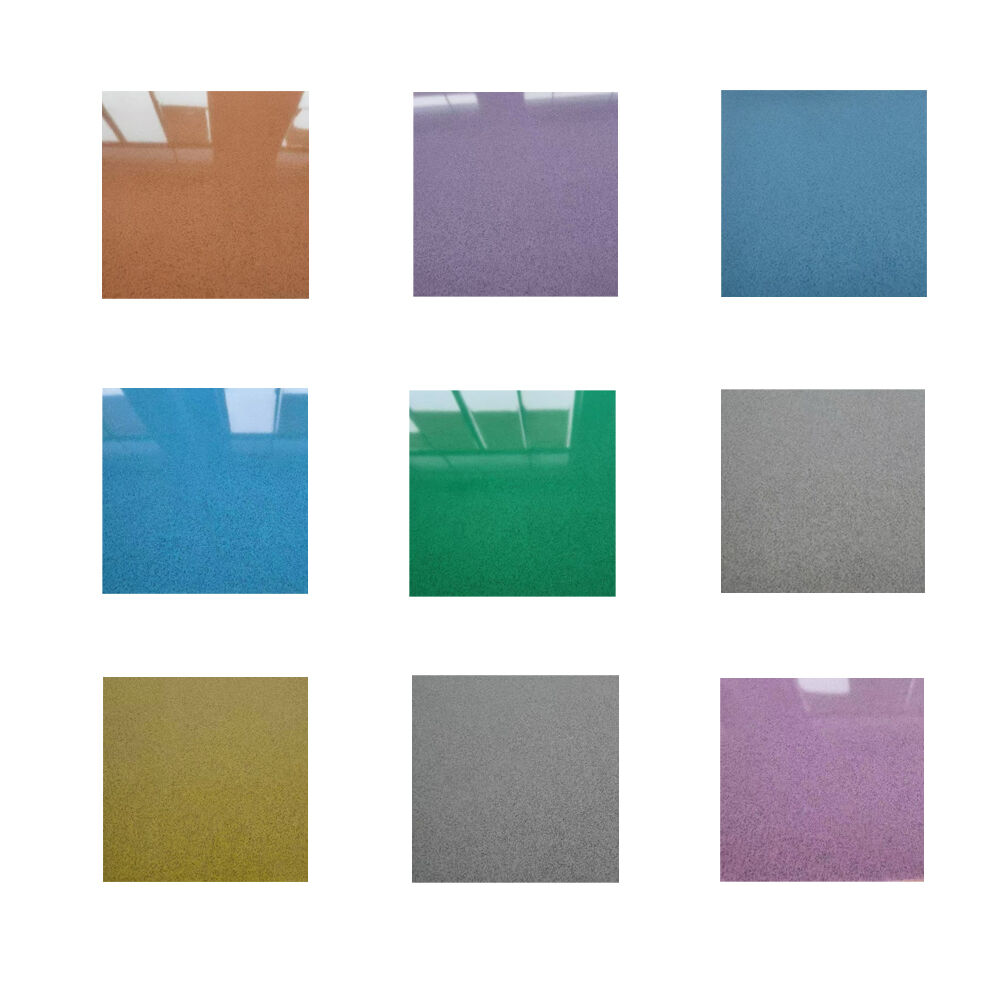
New Product Recommendations

Polyurethane synthetic materials deliver exceptional durability that significantly outperforms many traditional materials in demanding applications. These materials resist wear, tear, and degradation from regular use, which means products last longer and require fewer replacements. This durability translates directly into cost savings for businesses and consumers who invest in polyurethane-based products. The material's resistance to chemicals, oils, and solvents makes it ideal for industrial environments where exposure to harsh substances is common. Unlike natural materials that may deteriorate when exposed to specific chemicals, polyurethane synthetic materials maintain their integrity and performance characteristics. Flexibility represents another major advantage, as these materials can bend, compress, and stretch repeatedly without losing their original shape or properties. This elasticity makes them perfect for applications requiring movement or impact absorption, such as automotive bumpers, athletic equipment, and protective gear. The lightweight nature of polyurethane synthetic materials provides significant benefits in transportation and portable applications. Products made from these materials are easier to handle, ship, and install, reducing labor costs and improving efficiency. Despite their light weight, polyurethane synthetic materials maintain impressive strength-to-weight ratios, offering structural reliability without unnecessary bulk. Temperature stability ensures consistent performance across various climate conditions. These materials do not become brittle in cold weather or soften excessively in heat, maintaining their functional properties year-round. This temperature resistance eliminates the need for seasonal product adjustments or replacements. Processing versatility allows manufacturers to create products with complex shapes and precise specifications. Polyurethane synthetic materials can be molded, cast, or formed into intricate designs that would be difficult or impossible to achieve with other materials. This manufacturing flexibility enables custom solutions for specific applications. The materials also offer excellent adhesion properties, bonding effectively to various substrates including metals, plastics, and fabrics. Environmental resistance protects against UV radiation, moisture, and ozone exposure, ensuring long-term performance in outdoor applications. These advantages collectively make polyurethane synthetic materials a superior choice for modern manufacturing needs, providing reliable performance, cost-effectiveness, and design flexibility that traditional materials cannot match.

Practical Tips

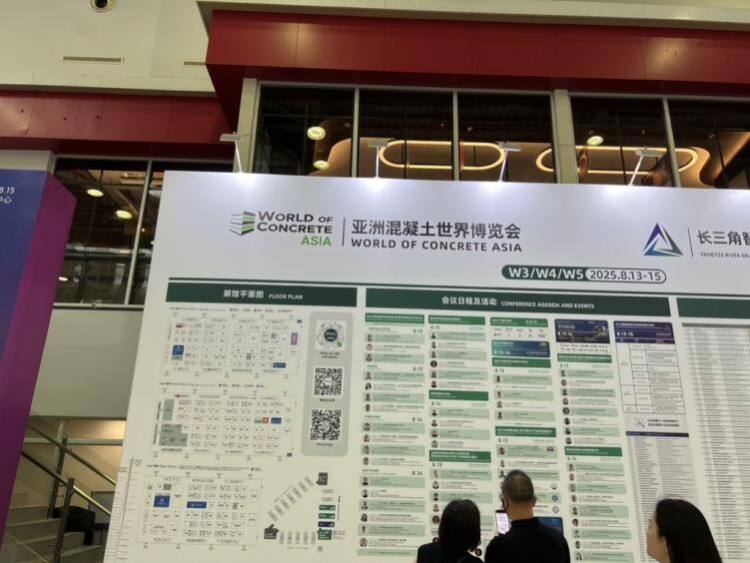
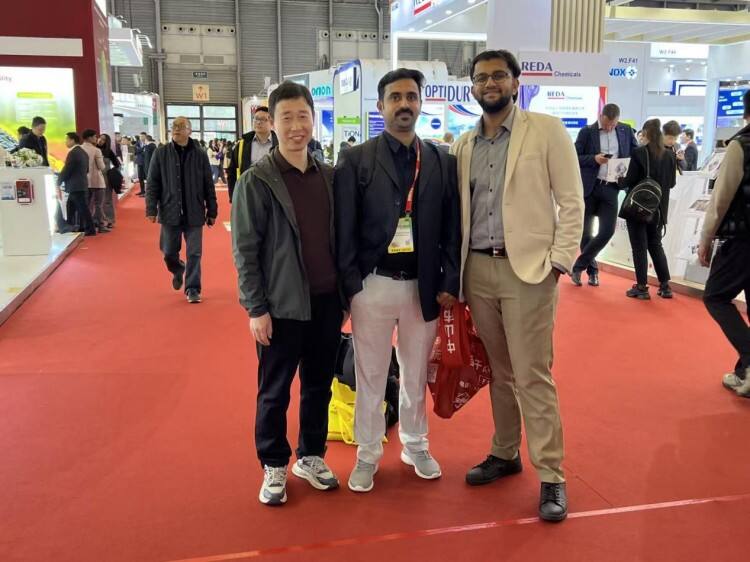
Shandong Huacheng High-Tech Participates in WORLD OF CONCRETE ASIA 2025 in Shanghai

25

Feb

Shandong Huacheng High-Tech Participates in WORLD OF CONCRETE ASIA 2025 in Shanghai

View More
Shandong Huacheng High-Tech Shines at CHINACOAT 2025 Shanghai

25

Feb

Shandong Huacheng High-Tech Shines at CHINACOAT 2025 Shanghai

View More
Huacheng High-Tech Recognized as Provincial Enterprise Technology Center by Shandong Province

27

Feb

Huacheng High-Tech Recognized as Provincial Enterprise Technology Center by Shandong Province

View More

Get a Free Quote

Our representative will contact you soon.
Email
Mobile/WhatsApp
Name
Company Name
Message
0/1000

polyurethane synthetic materials

Superior Insulation Performance and Energy Efficiency

Superior Insulation Performance and Energy Efficiency

Polyurethane synthetic materials excel in thermal insulation applications, delivering outstanding energy efficiency that significantly reduces heating and cooling costs for residential, commercial, and industrial buildings. The closed-cell structure of rigid polyurethane foam creates an effective barrier against heat transfer, achieving R-values that surpass traditional insulation materials like fiberglass or cellulose. This superior insulating performance stems from the material's unique cellular structure, where thousands of tiny air pockets trap air and minimize thermal conductivity. The low thermal conductivity of polyurethane synthetic materials, typically ranging from 0.020 to 0.028 W/mK, makes them among the most efficient insulating materials available in the construction industry. This exceptional thermal performance allows builders to achieve required insulation values with thinner material layers, creating more usable space within buildings while maintaining energy efficiency standards. The moisture resistance of polyurethane synthetic materials further enhances their insulation effectiveness by preventing water absorption that can compromise thermal performance in other insulating materials. When traditional insulation materials absorb moisture, their insulating properties decrease dramatically, leading to higher energy costs and potential mold growth. Polyurethane synthetic materials maintain their insulating properties even in humid conditions, ensuring consistent energy savings throughout the building's lifespan. The durability of these materials means they retain their insulating performance for decades without settling, shrinking, or deteriorating, unlike some traditional insulation options. This long-term stability provides building owners with predictable energy costs and reduces the need for insulation replacement or maintenance. Additionally, the air-sealing properties of spray-applied polyurethane synthetic materials eliminate gaps and thermal bridges that commonly occur with traditional batt insulation, further improving overall building energy performance. The environmental benefits include reduced energy consumption, lower carbon emissions, and decreased reliance on heating and cooling systems, making polyurethane synthetic materials an environmentally responsible choice for energy-conscious consumers and businesses seeking sustainable building solutions.
Exceptional Durability and Weather Resistance

Exceptional Durability and Weather Resistance

The remarkable durability of polyurethane synthetic materials makes them the preferred choice for applications exposed to harsh environmental conditions and demanding operational requirements. These materials demonstrate exceptional resistance to abrasion, impact, and mechanical stress, maintaining their structural integrity and functional properties even under extreme conditions that would cause other materials to fail. The polymer structure of polyurethane synthetic materials provides inherent flexibility that allows them to absorb and distribute stress without cracking or breaking, making them ideal for high-traffic areas and heavy-duty applications. Weather resistance is a standout feature that sets polyurethane synthetic materials apart from many alternatives. These materials withstand prolonged exposure to UV radiation, temperature fluctuations, humidity, and precipitation without significant degradation. Unlike materials that become brittle in cold weather or soft in heat, polyurethane synthetic materials maintain consistent performance across temperature ranges from -40°C to 80°C, making them suitable for global applications in diverse climates. The chemical resistance of polyurethane synthetic materials protects against damage from oils, solvents, acids, and other corrosive substances commonly encountered in industrial and commercial environments. This chemical stability ensures that products maintain their appearance and functionality even when exposed to cleaning agents, automotive fluids, or industrial chemicals. The hydrolytic stability of modern polyurethane synthetic materials has been significantly improved through advanced formulations, allowing them to resist degradation from moisture exposure over extended periods. This improvement makes them suitable for marine applications, outdoor furniture, and building components that face continuous weather exposure. The color stability of polyurethane synthetic materials prevents fading and discoloration from UV exposure, maintaining aesthetic appeal throughout their service life. This characteristic is particularly valuable for architectural applications, outdoor signage, and consumer products where appearance matters. The dimensional stability ensures that products maintain their shape and size despite temperature changes and mechanical stress, preventing warping, shrinking, or expanding that could affect performance or appearance. These durability characteristics translate into lower maintenance costs, reduced replacement frequency, and improved return on investment for businesses and consumers who choose polyurethane synthetic materials for their demanding applications.
Versatile Processing and Customization Capabilities

Versatile Processing and Customization Capabilities

The processing versatility of polyurethane synthetic materials offers manufacturers unprecedented flexibility in creating customized products that meet specific performance requirements and design specifications. This adaptability stems from the unique chemistry of polyurethane systems, which allows formulators to modify material properties by adjusting the types and ratios of raw materials used in production. Manufacturers can create polyurethane synthetic materials ranging from soft, flexible foams with Shore A hardness ratings below 20 to rigid plastics with Shore D hardness above 80, all using variations of the same basic chemistry. This range of properties enables the creation of products for vastly different applications using similar manufacturing equipment and processes. The reaction kinetics of polyurethane synthetic materials can be controlled to match specific processing requirements, whether manufacturers need fast cycle times for high-volume production or extended working times for complex molding operations. This timing control allows processors to optimize production efficiency while maintaining consistent product quality. Multiple processing methods are available for polyurethane synthetic materials, including casting, molding, spraying, and extrusion, giving manufacturers the freedom to choose the most appropriate technique for their specific application. Reaction injection molding (RIM) processes allow the production of large, complex parts with excellent surface finish and dimensional accuracy, while pour-in-place techniques enable the creation of custom gaskets and seals. The ability to incorporate various additives and reinforcements into polyurethane synthetic materials during processing creates opportunities for enhanced performance characteristics. Flame retardants, antimicrobial agents, colorants, and reinforcing fibers can be integrated to meet specific end-use requirements without compromising the fundamental properties of the base material. The low-temperature processing requirements of many polyurethane synthetic materials reduce energy costs and enable the use of heat-sensitive substrates or components that cannot withstand high-temperature processing conditions. This capability allows manufacturers to create composite structures and multi-material products that combine the benefits of polyurethane synthetic materials with other materials. The excellent adhesion properties of polyurethane synthetic materials to various substrates, including metals, plastics, glass, and fabrics, facilitate the creation of bonded assemblies and layered products without additional adhesives or mechanical fasteners, simplifying manufacturing processes and improving product reliability while reducing production costs.

Get a Free Quote

Our representative will contact you soon.
Email
Mobile/WhatsApp
Name
Company Name
Message
0/1000