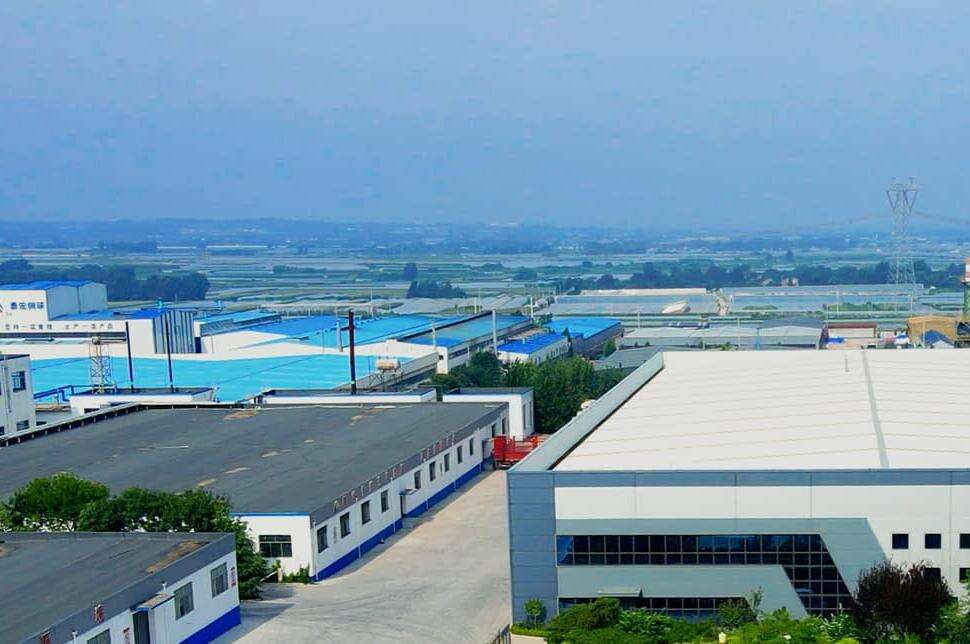
Versatile Applications Across Multiple Industries and Environments
The remarkable versatility of flame retardant synthetic materials enables their successful deployment across diverse industries and challenging environments where fire protection requirements vary significantly yet demand consistent performance. This adaptability stems from the broad range of formulations available, allowing customization of properties such as flexibility, strength, chemical resistance, and processing characteristics while maintaining essential fire protection capabilities. Construction applications demonstrate this versatility through flame retardant synthetic materials used in insulation systems, roofing membranes, structural panels, and decorative elements that must satisfy different performance requirements while providing uniform fire protection throughout building structures. These materials adapt to various installation methods, environmental conditions, and aesthetic requirements without compromising their fundamental fire resistance properties. Automotive applications showcase versatility through flame retardant synthetic materials that function effectively in engine compartments with high temperatures and chemical exposure, passenger areas requiring comfort and appearance standards, and electrical systems demanding precise dimensional stability and long-term reliability. Each automotive application presents unique challenges that flame retardant synthetic materials address through tailored formulations that maintain fire protection while meeting specific performance criteria. Electronics applications require flame retardant synthetic materials that provide fire protection while maintaining electrical insulation properties, dimensional precision, and compatibility with manufacturing processes such as injection molding, extrusion, and lamination. These materials successfully balance fire safety requirements with functional performance needs, enabling their use in circuit boards, connector housings, and cable systems where both properties are essential. Textile applications demonstrate versatility through flame retardant synthetic materials that create protective clothing comfortable for extended wear, decorative fabrics that maintain aesthetic appeal, and industrial textiles that withstand harsh environments while providing fire protection. Processing versatility allows flame retardant synthetic materials to undergo various manufacturing techniques including molding, machining, welding, and forming without losing their fire-resistant properties. This processing flexibility enables customers to integrate these materials into existing production workflows without requiring specialized equipment or modified procedures. Environmental adaptability ensures flame retardant synthetic materials perform reliably across temperature ranges, humidity levels, and chemical exposures typical of their intended applications. This environmental resilience allows single material solutions to address fire protection needs across multiple locations and conditions, simplifying procurement and inventory management while ensuring consistent fire safety performance.

 EN
EN