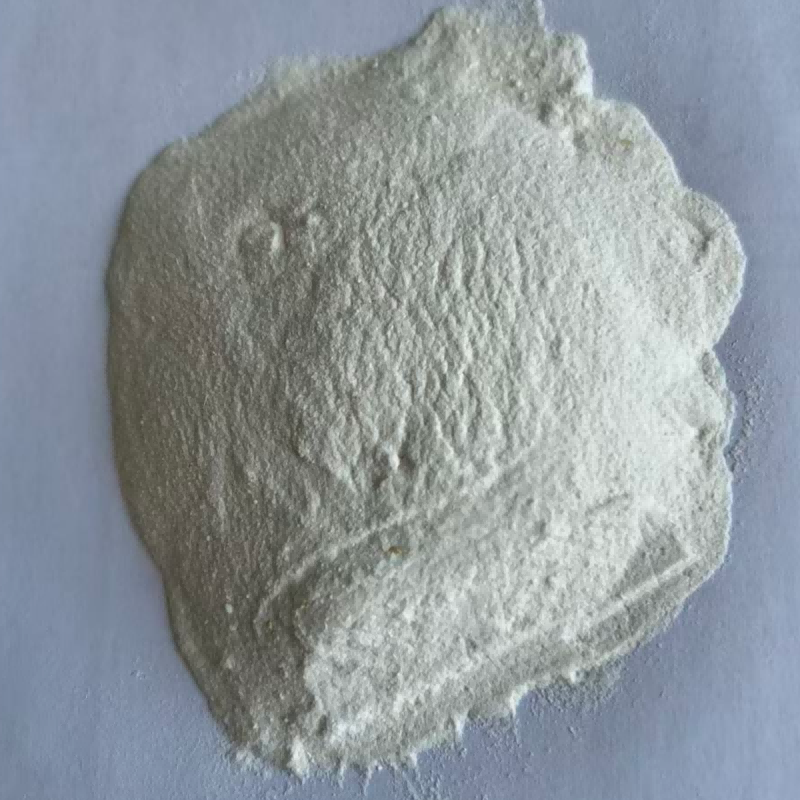
Premium Epoxy Synthetic Materials - Superior Performance Solutions for Industrial Applications

All Categories

Get a Free Quote

Our representative will contact you soon.
Email
Mobile/WhatsApp
Name
Company Name
Message
0/1000

epoxy synthetic materials

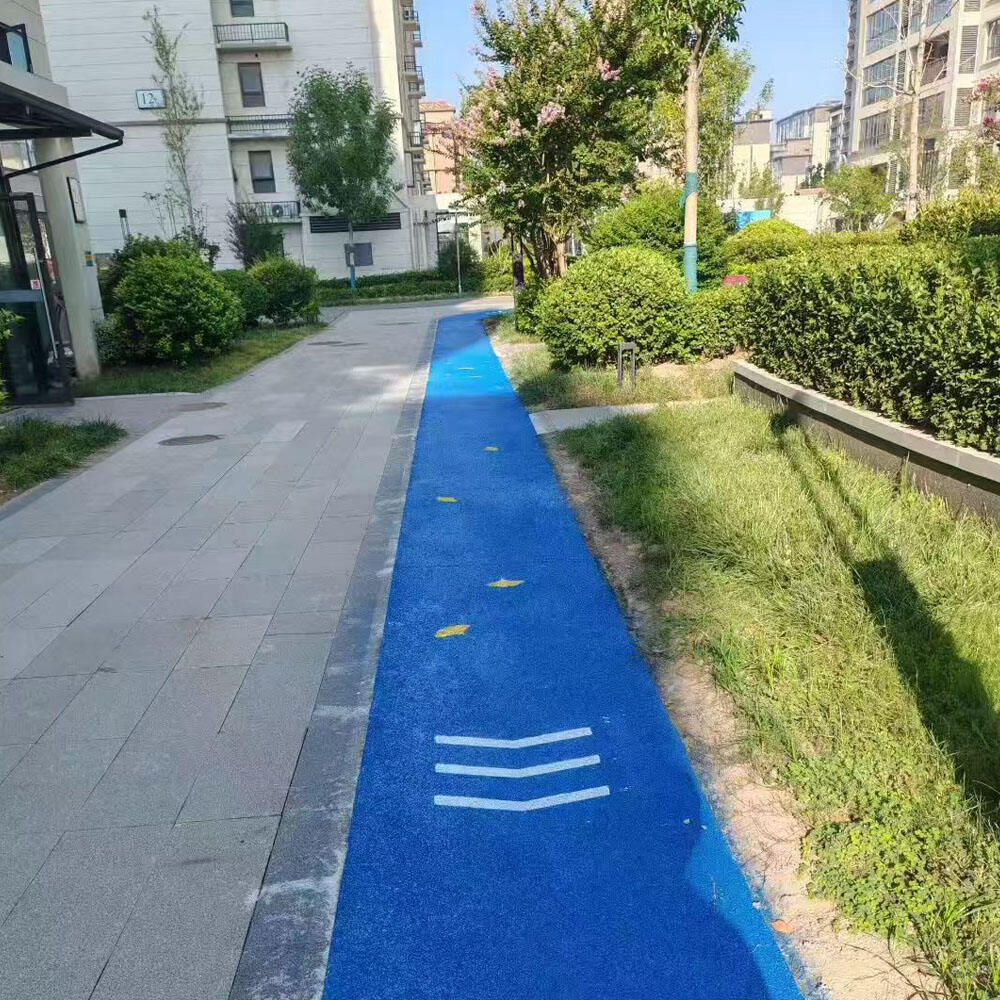
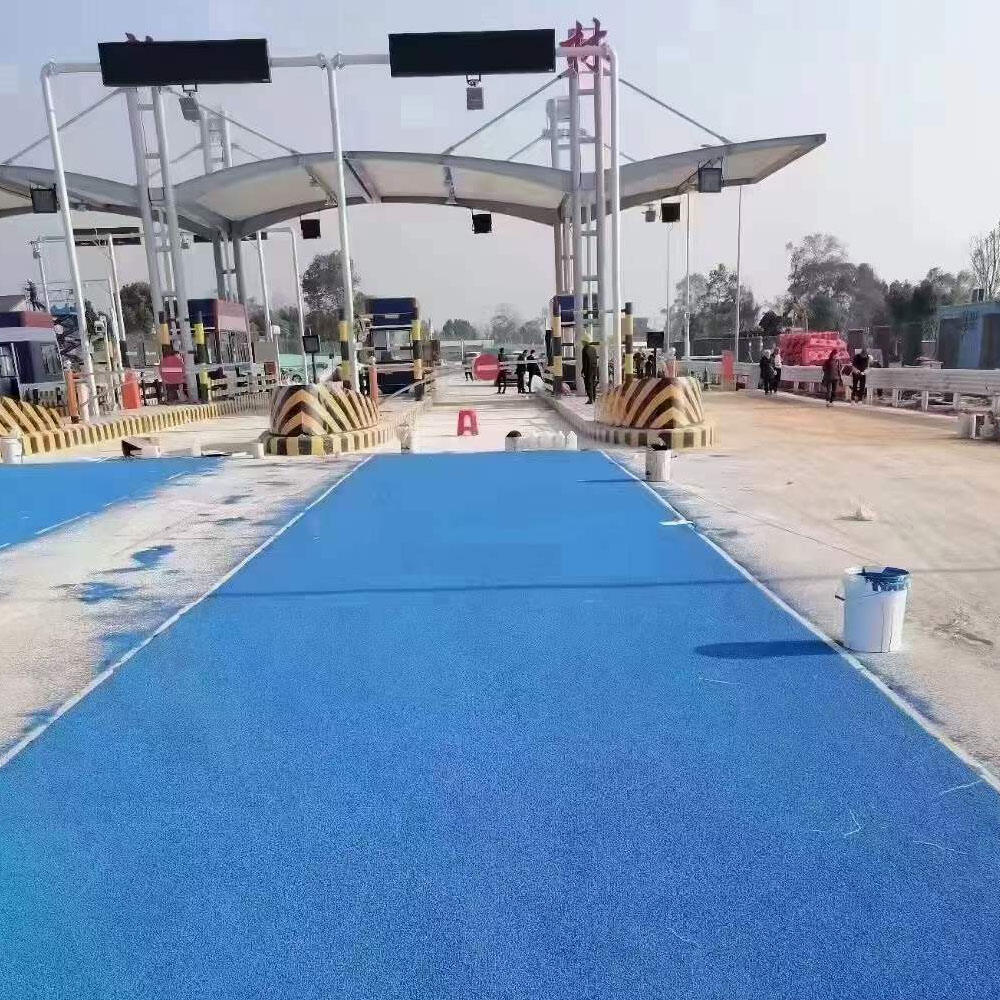
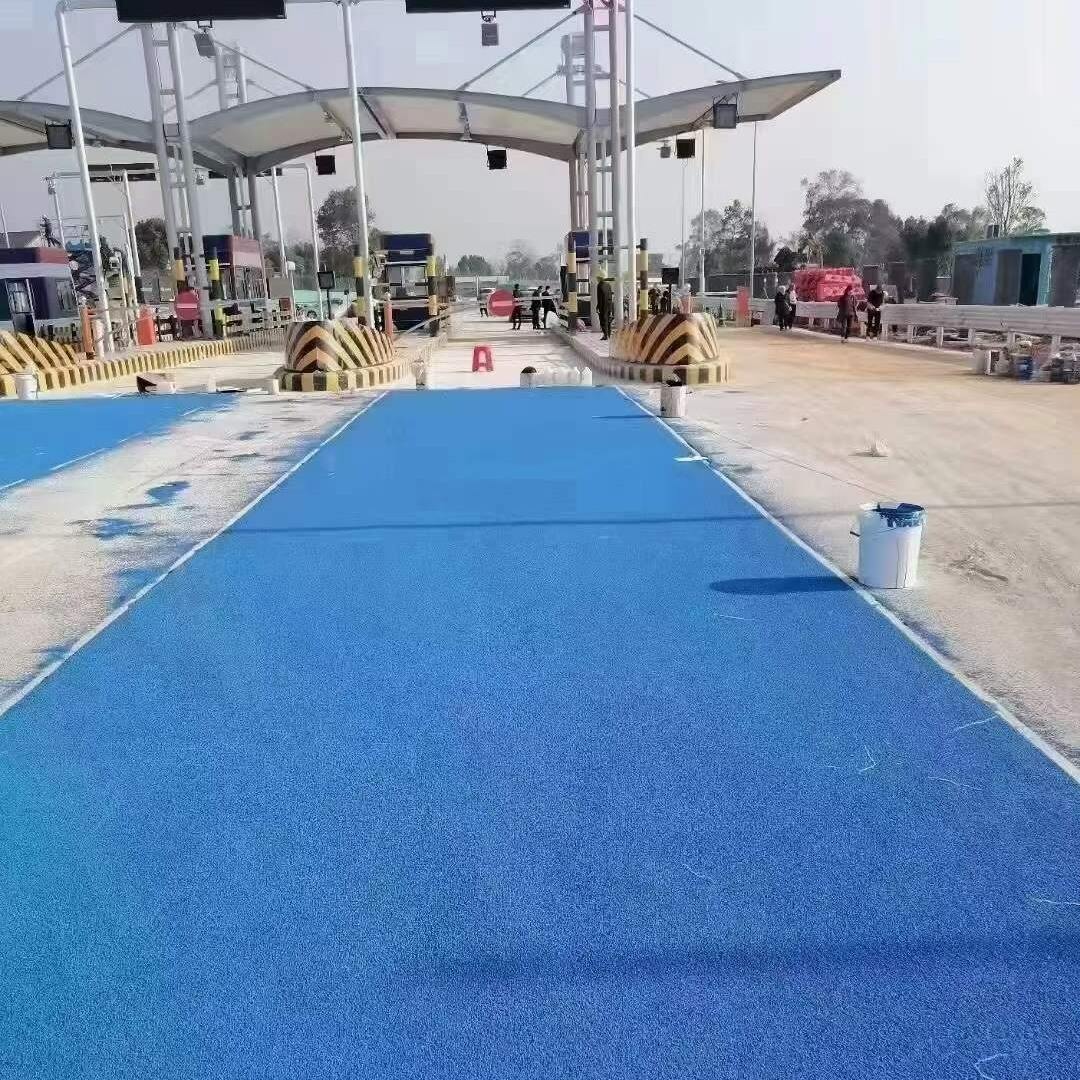
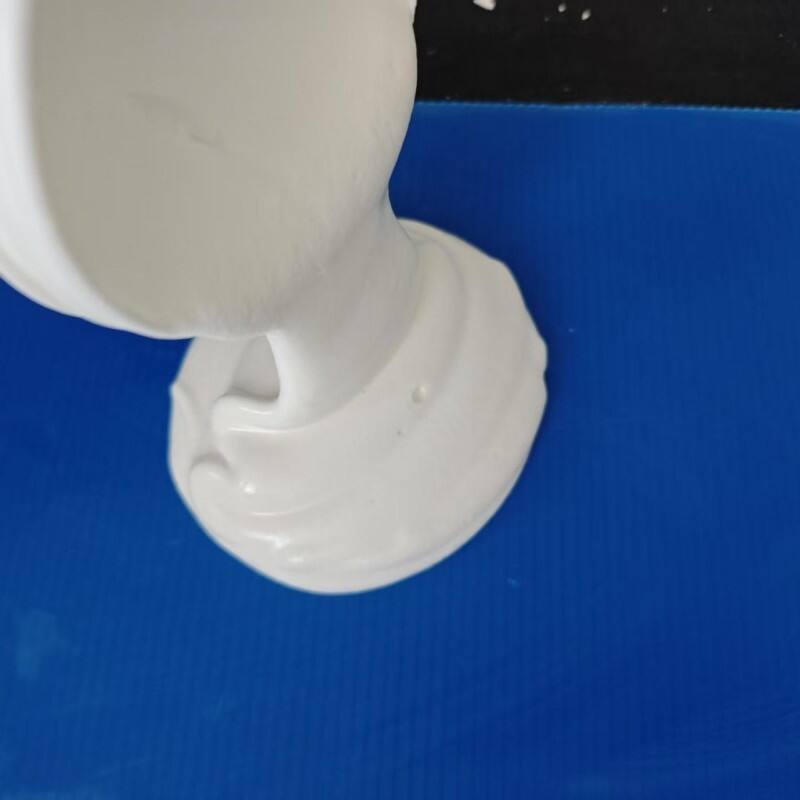
Epoxy synthetic materials represent a revolutionary class of thermosetting polymers that have transformed modern manufacturing and construction industries. These versatile compounds are created through the chemical reaction between epoxide groups and curing agents, typically amines or anhydrides, resulting in a three-dimensional cross-linked network structure. The primary functions of epoxy synthetic materials include providing exceptional adhesion properties, creating protective coatings, and serving as structural composites in demanding applications. Their technological features encompass superior mechanical strength, excellent chemical resistance, and remarkable thermal stability that surpasses many conventional materials. The curing process of epoxy synthetic materials can be precisely controlled through temperature and catalyst selection, allowing manufacturers to customize properties for specific requirements. These materials exhibit outstanding dimensional stability, maintaining their shape and performance characteristics across wide temperature ranges. Applications span numerous industries, from aerospace and automotive sectors to marine environments and electronic manufacturing. In construction, epoxy synthetic materials serve as high-performance adhesives for concrete repair, floor coatings that withstand heavy traffic, and protective barriers against harsh environmental conditions. The electronics industry relies heavily on these materials for encapsulating sensitive components, providing insulation, and creating printed circuit boards. Marine applications benefit from their exceptional water resistance and ability to withstand saltwater corrosion. Automotive manufacturers utilize epoxy synthetic materials in structural bonding, paint systems, and composite components that reduce vehicle weight while maintaining strength. The versatility of these materials extends to consumer products, including sporting goods, household items, and decorative applications where durability and aesthetic appeal are paramount.

New Product Recommendations

Epoxy synthetic materials offer numerous compelling advantages that make them the preferred choice for demanding applications across multiple industries. These materials deliver exceptional durability that significantly outlasts traditional alternatives, providing long-term cost savings through reduced maintenance and replacement cycles. The superior adhesion properties of epoxy synthetic materials create permanent bonds with various substrates, including metals, concrete, wood, and plastics, eliminating the need for mechanical fasteners in many applications. This adhesive strength remains consistent even under extreme stress conditions, ensuring reliable performance throughout the material's lifespan. Chemical resistance stands as another major benefit, as these materials withstand exposure to acids, alkalis, solvents, and other corrosive substances that would quickly degrade conventional materials. This resistance translates to extended service life in harsh industrial environments and reduced downtime for equipment maintenance. The thermal stability of epoxy synthetic materials enables their use in high-temperature applications where other polymers would fail, maintaining structural integrity and mechanical properties across broad temperature ranges. Processing flexibility represents a significant practical advantage, allowing manufacturers to apply these materials using various techniques including brushing, rolling, spraying, or injection molding. This versatility reduces production complexity and enables customization for specific project requirements. The lightweight nature of epoxy synthetic materials provides substantial weight reduction compared to metal alternatives while maintaining comparable or superior strength characteristics. This weight advantage translates to improved fuel efficiency in transportation applications and easier handling during installation. Environmental benefits include reduced volatile organic compound emissions compared to solvent-based alternatives, supporting sustainable manufacturing practices. The self-leveling properties of many epoxy synthetic materials simplify application processes, reducing labor costs and ensuring uniform coverage. These materials also exhibit excellent electrical insulation properties, making them ideal for electronic applications where safety and reliability are critical. The aesthetic versatility allows for custom colors, textures, and finishes that meet both functional and decorative requirements, eliminating the need for additional coating systems.

Practical Tips

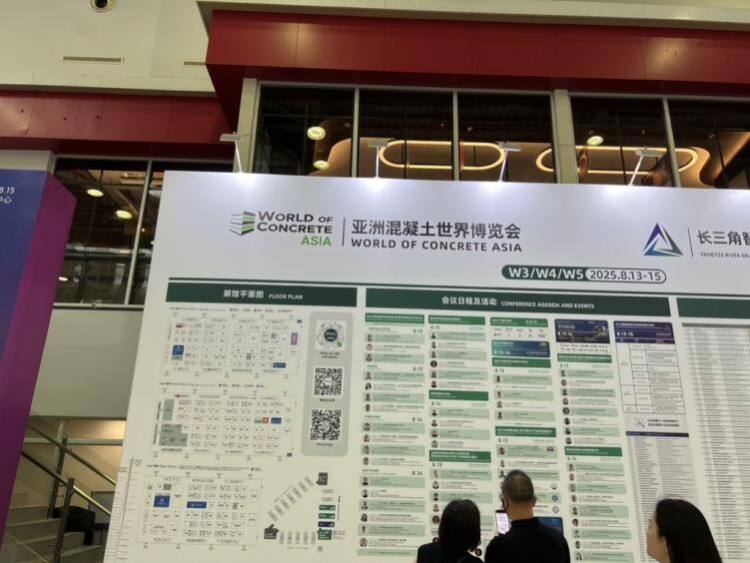
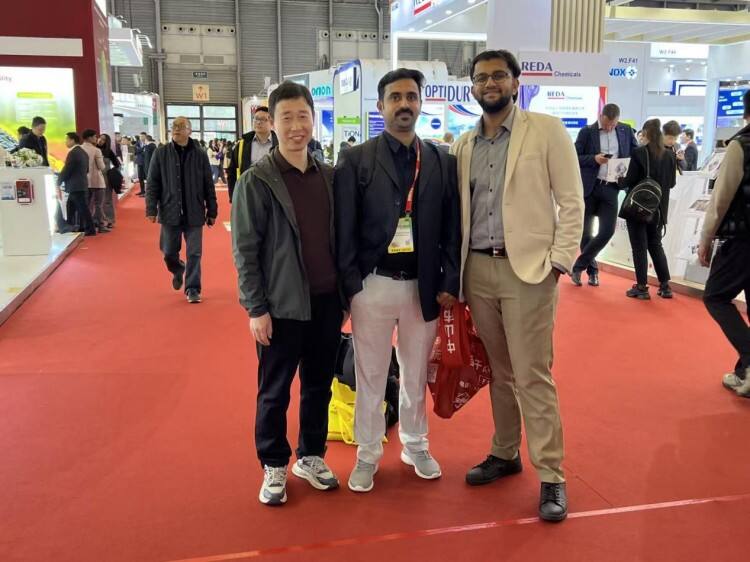
Shandong Huacheng High-Tech Participates in WORLD OF CONCRETE ASIA 2025 in Shanghai

25

Feb

Shandong Huacheng High-Tech Participates in WORLD OF CONCRETE ASIA 2025 in Shanghai

View More
Shandong Huacheng High-Tech Shines at CHINACOAT 2025 Shanghai

25

Feb

Shandong Huacheng High-Tech Shines at CHINACOAT 2025 Shanghai

View More
Huacheng High-Tech Recognized as Provincial Enterprise Technology Center by Shandong Province

27

Feb

Huacheng High-Tech Recognized as Provincial Enterprise Technology Center by Shandong Province

View More

Get a Free Quote

Our representative will contact you soon.
Email
Mobile/WhatsApp
Name
Company Name
Message
0/1000

epoxy synthetic materials

Unmatched Structural Integrity and Load-Bearing Capacity

Unmatched Structural Integrity and Load-Bearing Capacity

The structural integrity of epoxy synthetic materials represents a fundamental breakthrough in material science, delivering load-bearing capabilities that rival traditional steel and aluminum while offering significant weight advantages. This exceptional strength-to-weight ratio stems from the unique cross-linked molecular structure that forms during the curing process, creating an interconnected network that distributes stress uniformly throughout the material. Unlike mechanical connections that create stress concentration points, epoxy synthetic materials maintain consistent strength across their entire surface area, eliminating weak points that could lead to premature failure. The compressive strength of high-grade epoxy synthetic materials can exceed 15,000 pounds per square inch, making them suitable for supporting heavy machinery, structural components, and high-traffic flooring systems. Tensile strength characteristics enable these materials to withstand pulling forces that would tear apart conventional adhesives or coatings, providing reliable performance in applications subject to expansion, contraction, and dynamic loading. The fatigue resistance of epoxy synthetic materials ensures long-term performance under cyclic loading conditions, maintaining structural properties through millions of stress cycles without degradation. This durability proves invaluable in automotive applications where components experience constant vibration and thermal cycling, as well as in aerospace applications where safety margins cannot be compromised. The impact resistance of properly formulated epoxy synthetic materials absorbs energy from sudden shocks and impacts, protecting underlying substrates from damage while maintaining bond integrity. Temperature cycling tests demonstrate that these materials maintain their structural properties across extreme temperature ranges, from cryogenic conditions to elevated service temperatures exceeding 300 degrees Fahrenheit. The dimensional stability ensures that structures and components maintain precise tolerances over their service life, critical for applications requiring exact fit and finish. Quality control testing validates that each batch of epoxy synthetic materials meets stringent performance standards, providing confidence in critical applications where failure is not an option.
Revolutionary Chemical and Environmental Resistance

Revolutionary Chemical and Environmental Resistance

The chemical resistance properties of epoxy synthetic materials establish them as the premier choice for environments where exposure to corrosive substances, harsh chemicals, and extreme conditions would quickly destroy conventional materials. This resistance stems from the dense cross-linked polymer structure that prevents chemical penetration and molecular degradation, maintaining material integrity even after prolonged exposure to aggressive substances. Laboratory testing demonstrates that properly cured epoxy synthetic materials withstand continuous immersion in concentrated acids, caustic solutions, and organic solvents without measurable degradation or property loss. This chemical inertness makes them invaluable in chemical processing facilities, wastewater treatment plants, and industrial environments where accidental spills and routine exposure to hazardous materials occur regularly. The moisture barrier properties prevent water infiltration that causes corrosion in metal substrates and degradation in concrete structures, effectively extending the service life of protected surfaces by decades. Salt spray testing confirms exceptional performance in marine environments, where constant exposure to saltwater would rapidly corrode unprotected metals and degrade organic coatings. The ultraviolet stability of advanced epoxy synthetic materials prevents the chalking, fading, and brittleness that plague conventional polymers exposed to sunlight, maintaining both appearance and performance characteristics throughout extended outdoor service. Thermal cycling resistance ensures that these materials maintain their protective properties despite daily temperature fluctuations that cause expansion and contraction in underlying substrates. The non-porous surface created by cured epoxy synthetic materials prevents bacterial growth and contamination, making them ideal for food processing facilities, hospitals, and clean room environments where hygiene is paramount. Abrasion resistance testing shows minimal wear even after millions of cycles under heavy traffic conditions, demonstrating the long-term durability that reduces lifecycle costs. The self-cleaning properties of smooth epoxy surfaces facilitate maintenance and reduce the accumulation of dirt, oil, and other contaminants that could compromise performance or appearance.
Versatile Application Methods and Customization Options

Versatile Application Methods and Customization Options

The application versatility of epoxy synthetic materials revolutionizes how professionals approach complex projects, offering multiple installation methods that accommodate virtually any surface geometry, access limitation, or performance requirement. This flexibility begins with the ability to formulate these materials in various viscosities, from low-viscosity penetrating sealers that infiltrate deep into porous substrates to high-build coatings that create substantial protective layers in single applications. Brush application techniques enable precise control for detailed work, trim areas, and small repairs, while roller methods provide efficient coverage for large flat surfaces with consistent mil thickness. Spray application systems deliver uniform coverage on complex geometries, vertical surfaces, and areas where conventional methods prove impractical, reducing labor time while ensuring complete coverage. The pot life of epoxy synthetic materials can be engineered from minutes to hours, allowing contractors to select formulations that match their application pace and project complexity. Temperature-activated systems enable application in challenging environmental conditions, with some formulations designed for underwater installation and others optimized for high-temperature service environments. Color customization options include standard color matching systems, metallic effects, and decorative aggregates that create unique aesthetic appearances while maintaining full performance characteristics. Texture variations range from smooth, glass-like finishes to slip-resistant surfaces with controlled aggregate distribution for safety applications. The self-priming properties of many epoxy synthetic materials eliminate the need for separate primer coats, reducing material costs and application time while ensuring optimal adhesion to properly prepared substrates. Fast-cure formulations enable rapid return to service, critical for facilities that cannot tolerate extended downtime during maintenance operations. The compatibility with various reinforcement materials, including fiberglass cloth, carbon fiber, and synthetic fabrics, enables the creation of composite systems with enhanced mechanical properties tailored to specific load requirements. Quality assurance features include built-in color indicators that confirm proper mixing ratios and cure progression, reducing the risk of application errors that could compromise performance.


Get a Free Quote

Our representative will contact you soon.
Email
Mobile/WhatsApp
Name
Company Name
Message
0/1000