Advanced Synthetic Industrial Materials: Superior Performance Solutions for Modern Manufacturing

All Categories

Get a Free Quote

Our representative will contact you soon.
Email
Mobile/WhatsApp
Name
Company Name
Message
0/1000

synthetic industrial materials

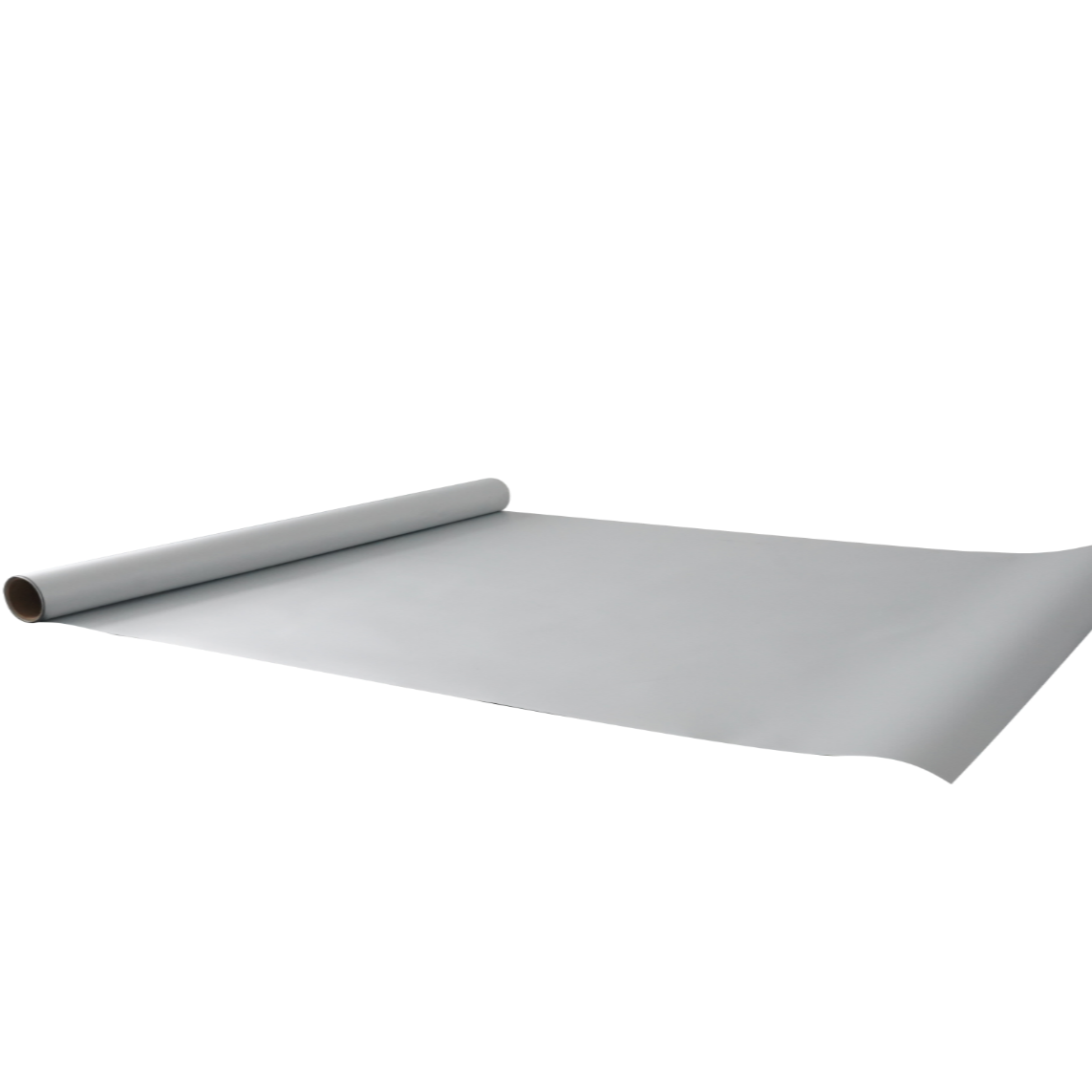
Synthetic industrial materials represent a revolutionary advancement in manufacturing technology, offering engineered solutions that surpass traditional materials in performance, durability, and versatility. These artificially created compounds combine carefully selected chemical components through sophisticated processing techniques to achieve specific properties tailored for industrial applications. Unlike natural materials that possess inherent limitations, synthetic industrial materials can be precisely formulated to meet exact specifications required by modern manufacturing processes. The development of these materials involves extensive research into molecular structures, polymer chemistry, and advanced manufacturing processes that enable the creation of substances with superior characteristics. These materials encompass a broad spectrum of products including high-performance plastics, advanced composites, specialty chemicals, engineered ceramics, and synthetic fibers. Each category serves distinct industrial purposes while maintaining consistent quality standards that natural materials cannot always guarantee. The technological foundation of synthetic industrial materials relies on controlled polymerization processes, chemical synthesis, and precision engineering that allows manufacturers to create materials with predictable properties. This predictability enables engineers and designers to specify exact material characteristics needed for specific applications, reducing uncertainty in product development cycles. Modern synthetic industrial materials incorporate cutting-edge additives and reinforcements that enhance their base properties, creating multi-functional solutions that address complex industrial challenges. The manufacturing processes for these materials utilize state-of-the-art equipment and quality control systems that ensure batch-to-batch consistency and reliable performance standards. Environmental considerations have driven innovation in synthetic industrial materials, leading to the development of more sustainable formulations that maintain superior performance while reducing environmental impact. These materials play crucial roles in aerospace, automotive, electronics, construction, and medical device industries where performance requirements exceed what traditional materials can provide.

New Product Releases

Synthetic industrial materials deliver exceptional performance benefits that directly translate to improved operational efficiency and cost savings for businesses across various sectors. These engineered solutions offer superior strength-to-weight ratios compared to conventional materials, enabling manufacturers to create lighter products without compromising structural integrity or durability. The weight reduction capabilities of synthetic industrial materials significantly reduce transportation costs, improve fuel efficiency in vehicles, and simplify handling processes during manufacturing and installation. Consistency represents another major advantage, as synthetic industrial materials maintain uniform properties throughout production runs, eliminating the variability inherent in natural materials that can cause quality issues and production delays. This reliability allows manufacturers to implement standardized processes and achieve predictable outcomes, reducing waste and improving overall production efficiency. The corrosion resistance of synthetic industrial materials surpasses that of metals and other traditional materials, extending product lifespans and reducing maintenance requirements in harsh environmental conditions. This enhanced durability translates to lower total cost of ownership for end users who benefit from reduced replacement frequencies and minimal maintenance interventions. Temperature stability represents a critical advantage, as many synthetic industrial materials maintain their properties across wide temperature ranges, enabling applications in extreme environments where conventional materials would fail. The chemical resistance of these materials allows them to withstand exposure to aggressive substances, acids, solvents, and other harsh chemicals without degradation, making them ideal for chemical processing equipment and storage systems. Design flexibility emerges as a significant benefit, as synthetic industrial materials can be molded into complex shapes and configurations that would be impossible or prohibitively expensive to achieve with traditional materials. This design freedom enables innovative product development and optimized functionality that can provide competitive advantages in the marketplace. Manufacturing efficiency improves through faster processing times, reduced tooling wear, and simplified production techniques that synthetic industrial materials enable, resulting in lower production costs and improved profitability for manufacturers.

Practical Tips

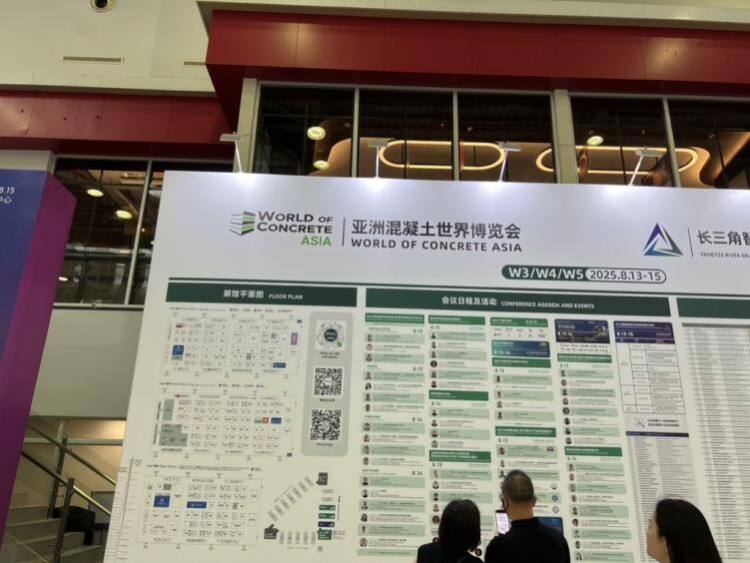
Shandong Huacheng High-Tech Participates in WORLD OF CONCRETE ASIA 2025 in Shanghai

25

Feb

Shandong Huacheng High-Tech Participates in WORLD OF CONCRETE ASIA 2025 in Shanghai

View More
Shandong Huacheng High-Tech Shines at CHINACOAT 2025 Shanghai

25

Feb

Shandong Huacheng High-Tech Shines at CHINACOAT 2025 Shanghai

View More
Huacheng High-Tech Recognized as Provincial Enterprise Technology Center by Shandong Province

27

Feb

Huacheng High-Tech Recognized as Provincial Enterprise Technology Center by Shandong Province

View More

Get a Free Quote

Our representative will contact you soon.
Email
Mobile/WhatsApp
Name
Company Name
Message
0/1000

synthetic industrial materials

Unmatched Durability and Longevity Performance

Unmatched Durability and Longevity Performance

The exceptional durability characteristics of synthetic industrial materials set them apart from traditional alternatives, delivering long-term performance that significantly reduces replacement costs and operational disruptions. These engineered materials resist fatigue, wear, and environmental degradation through advanced molecular structures that maintain integrity under stress conditions that would compromise conventional materials. The superior fatigue resistance means components made from synthetic industrial materials can withstand millions of stress cycles without failure, making them ideal for high-frequency applications such as machinery components, automotive parts, and industrial equipment. Weather resistance represents another crucial durability factor, as these materials resist UV radiation, moisture absorption, and temperature fluctuations that cause traditional materials to deteriorate over time. This weather stability ensures consistent performance in outdoor applications, marine environments, and exposed installations where material degradation typically leads to costly repairs and replacements. The impact resistance of synthetic industrial materials exceeds that of many metals and ceramics, providing enhanced protection against mechanical damage during transportation, installation, and operation. This toughness reduces the risk of catastrophic failures that can result in expensive downtime and safety hazards in industrial settings. Chemical stability ensures these materials maintain their properties when exposed to industrial solvents, cleaning agents, fuels, and other aggressive substances commonly encountered in manufacturing environments. The dimensional stability of synthetic industrial materials prevents warping, shrinking, or expanding under varying environmental conditions, maintaining precise tolerances essential for mechanical assemblies and precision equipment. Abrasion resistance extends component life in applications involving sliding contact, particulate matter, or continuous friction, reducing maintenance requirements and improving operational reliability. The self-lubricating properties of certain synthetic industrial materials eliminate the need for external lubrication systems, reducing maintenance complexity and preventing contamination issues in sensitive applications.

Superior Processing Efficiency and Manufacturing Benefits

Superior Processing Efficiency and Manufacturing Benefits

Synthetic industrial materials revolutionize manufacturing processes by offering superior processing characteristics that streamline production workflows and enhance manufacturing efficiency across diverse industrial applications. These materials typically process at lower temperatures compared to metals and ceramics, reducing energy consumption and enabling the use of less expensive tooling and equipment. The reduced processing temperatures also minimize thermal stress on production equipment, extending tool life and reducing maintenance requirements that contribute to lower overall manufacturing costs. Faster cycle times represent a significant advantage, as synthetic industrial materials often cure, cool, or set more rapidly than traditional alternatives, increasing throughput and improving production capacity without requiring additional capital investment in equipment. The moldability of these materials enables complex geometries to be produced in single operations that would require multiple manufacturing steps and assembly processes with conventional materials. This consolidation of manufacturing steps reduces labor costs, eliminates assembly tolerances, and improves overall product reliability by reducing potential failure points. Precision molding capabilities allow for tight dimensional tolerances and excellent surface finishes directly from the manufacturing process, often eliminating secondary machining or finishing operations that add cost and complexity. The compatibility of synthetic industrial materials with automated manufacturing processes enables lights-out production and robotic handling systems that improve consistency and reduce labor costs. Waste reduction emerges as a significant benefit, as many synthetic industrial materials can be reprocessed or recycled within manufacturing facilities, reducing material costs and environmental impact. The chemical compatibility of these materials with various processing aids, colorants, and additives allows for customization and optimization during manufacturing without compromising base material properties. Quality control becomes more straightforward with synthetic industrial materials due to their consistent composition and predictable behavior during processing, reducing inspection requirements and improving overall product quality. The reduced shrinkage and warpage characteristics of many synthetic industrial materials improve dimensional accuracy and reduce scrap rates compared to materials that undergo significant dimensional changes during processing.
Advanced Chemical and Environmental Resistance

Advanced Chemical and Environmental Resistance

The exceptional chemical and environmental resistance properties of synthetic industrial materials provide unmatched protection against aggressive substances and harsh operating conditions that would rapidly degrade conventional materials. These engineered materials resist a broad spectrum of chemicals including acids, bases, solvents, fuels, and industrial cleaning agents through carefully designed molecular structures that prevent chemical penetration and reaction. The non-porous nature of many synthetic industrial materials prevents fluid absorption that can lead to swelling, weakening, or dimensional changes commonly experienced with natural materials exposed to liquids. This impermeability makes them ideal for applications involving fluid handling, chemical storage, and processing equipment where contamination prevention is critical. Temperature cycling resistance ensures these materials maintain their chemical resistance properties across wide temperature ranges, preventing thermal stress cracking and chemical degradation that occurs when materials are exposed to alternating hot and cold conditions. The inert nature of synthetic industrial materials prevents them from catalyzing unwanted chemical reactions or contaminating sensitive processes, making them suitable for food processing, pharmaceutical manufacturing, and semiconductor applications where material purity is essential. Oxidation resistance protects against degradation from atmospheric oxygen and ozone exposure that causes traditional materials to become brittle and lose mechanical properties over time. This stability is particularly important for outdoor applications and high-temperature environments where oxidation can significantly reduce material lifespan. UV stability prevents degradation from ultraviolet radiation that causes conventional plastics and natural materials to discolor, crack, and lose strength when exposed to sunlight. The hydrolysis resistance of synthetic industrial materials prevents breakdown in humid environments or when exposed to water and steam, maintaining structural integrity in applications where moisture exposure is unavoidable. Biological resistance protects against attack from bacteria, fungi, and other microorganisms that can degrade natural materials, making synthetic alternatives ideal for medical applications and environments where sterility is important. The low permeability characteristics prevent gas and vapor transmission that can compromise sealed systems or allow contamination in sensitive applications where barrier properties are critical for proper function.

Get a Free Quote

Our representative will contact you soon.
Email
Mobile/WhatsApp
Name
Company Name
Message
0/1000