Premium Synthetic Waterproof Materials - Advanced Protection Solutions

All Categories

Get a Free Quote

Our representative will contact you soon.
Email
Mobile/WhatsApp
Name
Company Name
Message
0/1000

synthetic waterproof materials

Synthetic waterproof materials represent a revolutionary advancement in protective technology, engineered to provide superior moisture resistance across diverse applications. These innovative materials combine cutting-edge polymer science with advanced manufacturing techniques to create barriers that effectively prevent water penetration while maintaining flexibility and durability. The main functions of synthetic waterproof materials include moisture protection, breathability control, and structural integrity preservation in challenging environmental conditions. These materials utilize sophisticated molecular structures that repel water molecules while allowing vapor transmission, creating a selective barrier that protects against liquid water while preventing condensation buildup. The technological features of synthetic waterproof materials encompass multiple layers of specialized coatings, microporous membranes, and hydrophobic treatments that work synergistically to deliver comprehensive protection. Advanced polymer chains create microscopic barriers that are smaller than water droplets but larger than water vapor molecules, enabling selective permeability. Manufacturing processes involve precision coating techniques, plasma treatments, and chemical bonding methods that ensure uniform coverage and consistent performance. These synthetic waterproof materials find extensive applications across construction, outdoor gear, automotive, medical devices, and electronics industries. In construction, they protect building envelopes, foundations, and roofing systems from water damage and structural deterioration. Outdoor equipment manufacturers integrate these materials into tents, jackets, footwear, and backpacks to ensure user comfort and product longevity. Automotive applications include interior protection, underhood components, and exterior sealing systems. Medical device applications leverage biocompatible formulations for wound care, surgical drapes, and protective equipment. Electronics manufacturers utilize these materials for circuit board protection, device housings, and cable sheathing to prevent moisture-related failures and maintain operational reliability in humid environments.

New Products

Synthetic waterproof materials offer exceptional durability that surpasses traditional waterproofing solutions, providing long-lasting protection that maintains effectiveness over extended periods. These materials resist degradation from ultraviolet radiation, temperature fluctuations, and chemical exposure, ensuring consistent performance in harsh environments. The flexibility of synthetic waterproof materials allows them to adapt to surface movements, thermal expansion, and structural settling without cracking or losing adhesion. This flexibility prevents water infiltration points that commonly develop with rigid waterproofing systems. Installation simplicity represents another significant advantage, as synthetic waterproof materials often require fewer specialized tools and less technical expertise compared to conventional alternatives. Many formulations offer self-adhering properties that eliminate the need for primers or additional bonding agents, reducing installation time and labor costs. The lightweight nature of synthetic waterproof materials minimizes structural load requirements while delivering superior protection, making them ideal for weight-sensitive applications. Maintenance requirements are substantially reduced due to the inherent stability and resistance properties of synthetic formulations. These materials resist mold, mildew, and biological growth that can compromise traditional waterproofing systems. Cost-effectiveness emerges from the combination of extended service life, reduced maintenance needs, and efficient installation processes. Energy efficiency benefits result from improved thermal performance and reduced air infiltration in building applications. Synthetic waterproof materials contribute to better indoor air quality by preventing moisture intrusion that can lead to mold growth and structural damage. Environmental compatibility features include recyclable formulations and reduced volatile organic compound emissions compared to solvent-based alternatives. Performance consistency across varying temperatures ensures reliable protection in both extreme cold and hot conditions. The customizable nature of synthetic waterproof materials allows manufacturers to tailor properties for specific applications, optimizing performance characteristics such as breathability, flexibility, and adhesion strength. Quality control advantages include predictable performance metrics and standardized testing protocols that ensure reliable results across different batches and production runs.

Tips And Tricks

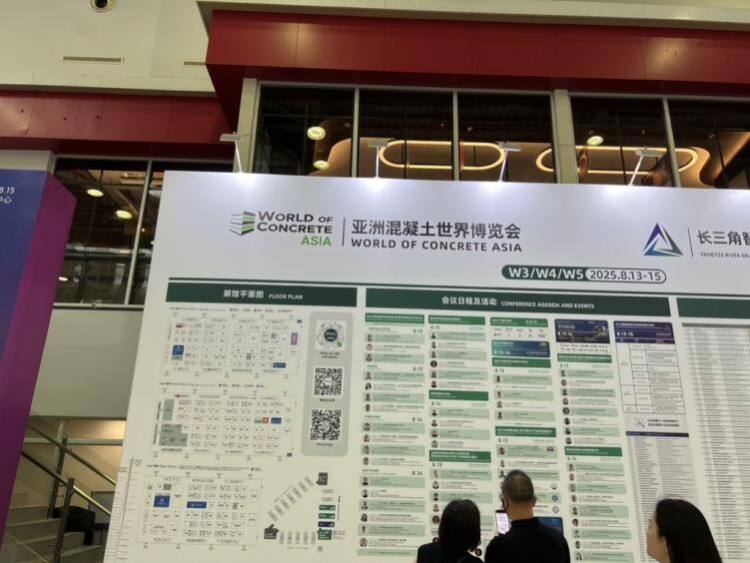
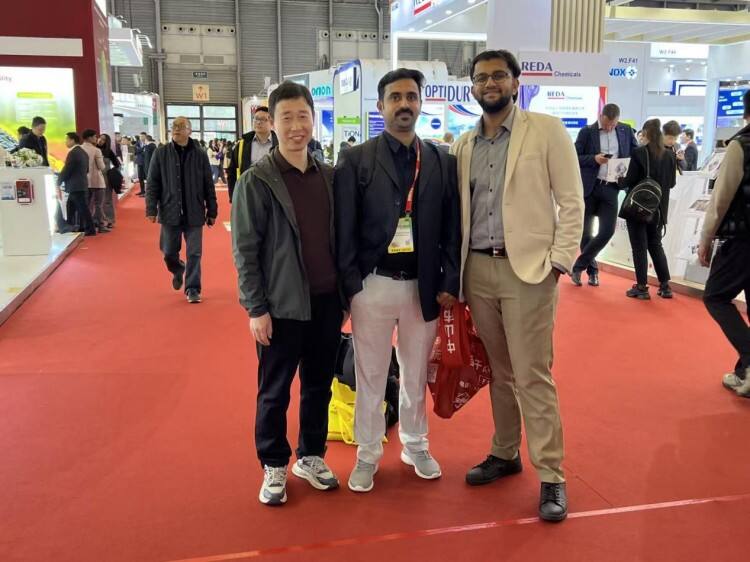
Shandong Huacheng High-Tech Participates in WORLD OF CONCRETE ASIA 2025 in Shanghai

25

Feb

Shandong Huacheng High-Tech Participates in WORLD OF CONCRETE ASIA 2025 in Shanghai

View More
Shandong Huacheng High-Tech Shines at CHINACOAT 2025 Shanghai

25

Feb

Shandong Huacheng High-Tech Shines at CHINACOAT 2025 Shanghai

View More
Huacheng High-Tech Recognized as Provincial Enterprise Technology Center by Shandong Province

27

Feb

Huacheng High-Tech Recognized as Provincial Enterprise Technology Center by Shandong Province

View More

Get a Free Quote

Our representative will contact you soon.
Email
Mobile/WhatsApp
Name
Company Name
Message
0/1000

synthetic waterproof materials

Advanced Molecular Barrier Technology

Advanced Molecular Barrier Technology

The advanced molecular barrier technology in synthetic waterproof materials represents a breakthrough in protective engineering that fundamentally changes how water resistance is achieved. This technology utilizes precisely engineered polymer chains that create microscopic barriers at the molecular level, effectively blocking water penetration while maintaining material flexibility and breathability. The molecular structure consists of hydrophobic segments that actively repel water molecules through chemical incompatibility, creating an invisible shield that prevents moisture infiltration. Advanced cross-linking processes ensure these molecular barriers remain intact under stress, temperature variations, and aging conditions. The technology incorporates selective permeability features that allow water vapor to pass through while blocking liquid water, preventing condensation buildup that could compromise material integrity. Manufacturing precision controls molecular density and orientation to optimize barrier effectiveness across different substrate materials and application methods. This molecular approach delivers superior performance compared to traditional mechanical barriers that rely solely on physical thickness or surface treatments. The molecular barrier technology adapts to surface irregularities and micro-movements without creating weak points or failure zones. Research and development in this field continues to advance molecular engineering techniques, incorporating nanotechnology enhancements and smart polymer systems that respond to environmental conditions. Quality assurance testing validates molecular barrier integrity through accelerated aging studies, permeability measurements, and stress testing protocols. The technology platform supports customization for specific industry requirements, allowing adjustment of molecular composition to optimize performance characteristics such as temperature resistance, chemical compatibility, and mechanical properties. Integration with existing manufacturing processes requires minimal equipment modifications, making adoption feasible for various production environments. The molecular barrier technology provides measurable performance improvements in water resistance ratings, durability testing, and field performance evaluations, demonstrating clear advantages over conventional waterproofing approaches.
Multi-Layer Protection System

Multi-Layer Protection System

The multi-layer protection system in synthetic waterproof materials delivers comprehensive defense through strategically engineered layers that each contribute specific protective functions. This systematic approach combines primary waterproof barriers, reinforcement layers, adhesion promoters, and surface treatments into an integrated protection platform. The primary barrier layer utilizes advanced polymer chemistry to create the main waterproof membrane, engineered with specific molecular weights and cross-linking densities to optimize water resistance and flexibility. Reinforcement layers incorporate fiber matrices or fabric substrates that provide dimensional stability and tear resistance while maintaining overall system flexibility. Adhesion promotion layers ensure secure bonding to various substrate materials through chemical compatibility and mechanical interlocking mechanisms. Surface treatment layers provide additional protection against environmental degradation, ultraviolet exposure, and chemical attack while enhancing cleanability and maintenance characteristics. The multi-layer architecture distributes stress loads across multiple interfaces, preventing failure propagation and extending overall system life. Each layer undergoes independent quality testing to verify performance characteristics before integration into the complete system. Manufacturing processes control layer thickness, uniformity, and inter-layer adhesion to ensure consistent performance across production batches. The system design allows for customization by adjusting individual layer properties or adding specialized layers for specific environmental challenges. Field testing validates multi-layer performance under real-world conditions, including thermal cycling, moisture exposure, and mechanical stress. Repair and maintenance procedures can target individual layers without compromising the entire system, reducing long-term ownership costs. The multi-layer approach enables gradual performance enhancement through layer optimization and material upgrades without requiring complete system replacement. Installation techniques accommodate the multi-layer structure through specialized application equipment and procedures that ensure proper layer integration. Performance monitoring systems can evaluate individual layer conditions, providing early warning of potential issues before system failure occurs.
Environmental Adaptability Features

Environmental Adaptability Features

Environmental adaptability features in synthetic waterproof materials ensure reliable performance across diverse climatic conditions and environmental challenges through intelligent material design and responsive chemistry. These features enable materials to maintain protective properties despite temperature extremes, humidity variations, chemical exposure, and mechanical stress conditions encountered in real-world applications. Temperature adaptability incorporates polymer formulations that remain flexible in cold conditions while resisting softening in high temperatures, maintaining consistent waterproof integrity throughout seasonal variations. Humidity response mechanisms prevent moisture absorption that could compromise barrier properties while allowing controlled vapor transmission to prevent condensation accumulation. Chemical resistance features protect against degradation from acids, alkalis, salts, and organic solvents commonly encountered in industrial and environmental applications. Ultraviolet stabilization systems prevent polymer chain breakdown and property degradation from prolonged sun exposure, maintaining appearance and performance characteristics over extended outdoor exposure periods. Thermal expansion compatibility allows materials to accommodate substrate movement without developing cracks or separation that could create water infiltration pathways. Freeze-thaw cycle resistance prevents damage from repeated ice formation and melting that can destroy conventional waterproofing systems. Biological resistance features prevent degradation from bacteria, fungi, and other microorganisms that thrive in moist environments. Wind resistance properties maintain membrane integrity under high wind loads and pressure differentials commonly experienced in exposed applications. Seismic adaptability allows materials to flex and stretch during ground movement without losing protective properties or developing failure points. Air quality tolerance ensures performance stability despite exposure to pollutants, ozone, and other atmospheric contaminants found in urban environments. Altitude adaptability maintains performance consistency across varying atmospheric pressures encountered in mountainous regions or high-rise applications. Recovery characteristics enable materials to return to original properties after temporary deformation or stress exposure, ensuring long-term reliability. Environmental testing protocols validate adaptability features through accelerated exposure studies that simulate decades of real-world environmental conditions, providing confidence in long-term performance expectations.

Get a Free Quote

Our representative will contact you soon.
Email
Mobile/WhatsApp
Name
Company Name
Message
0/1000